Changing The Sideline
Skye Eddy, USA
Goal Click is collaborating with U.S. Soccer on a new storytelling series as part of the Keeping Score of What Matters campaign. The series will spotlight untold stories within clubs, organizations, and communities supported by Soccer Forward, focusing on the diverse ecosystem of soccer and its use as a force for good.
Skye Eddy founded Soccer Parenting as an education and community platform to equip parents, coaches, and clubs with practical tools to create positive, supportive environments that help young players thrive both on and off the field.
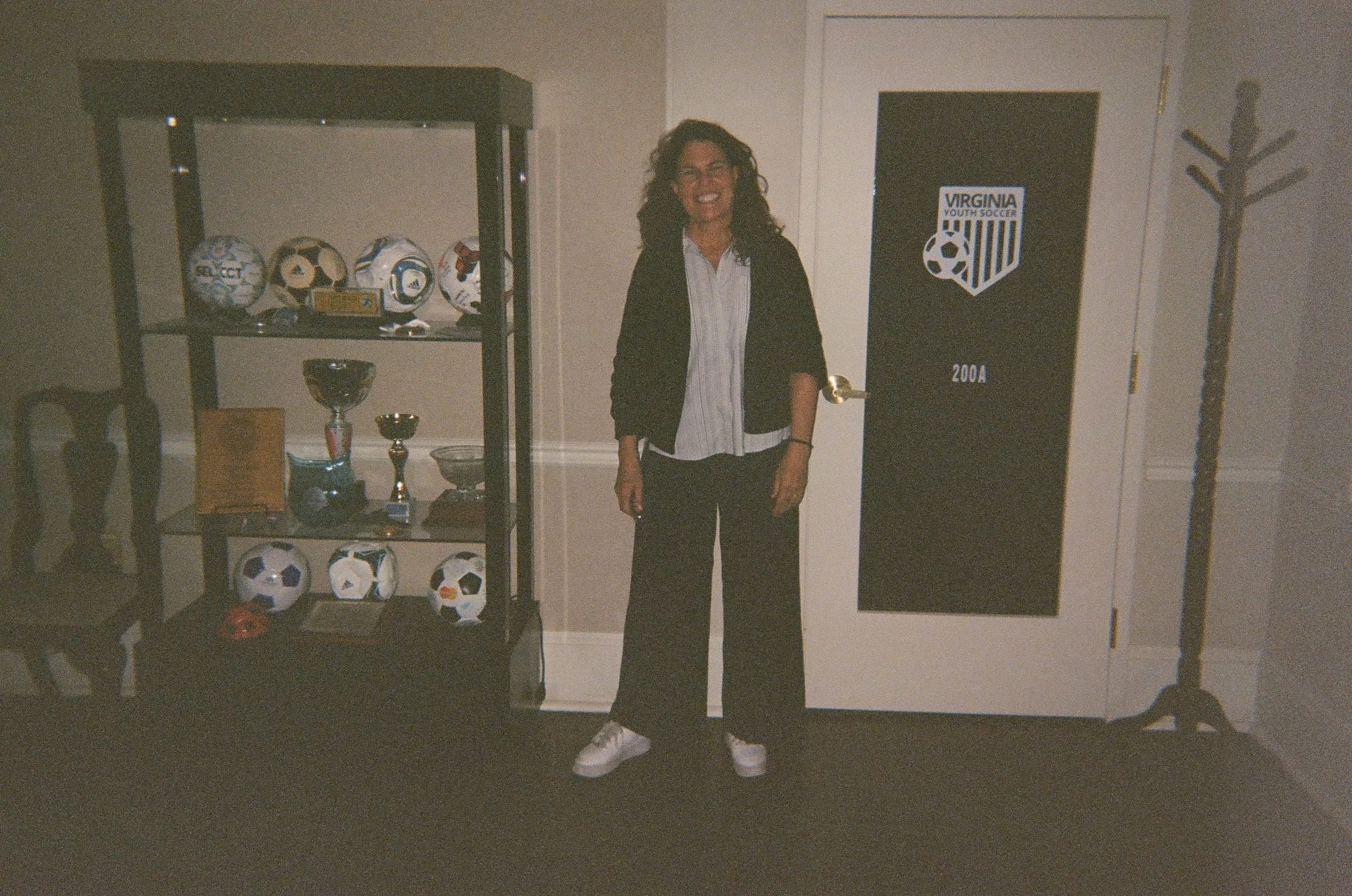
My name is Skye Eddy. I am 54 years old, live in Richmond, Virginia, and am the CEO and Founder of Soccer Parenting.
I grew up in Reston, Virginia and started playing soccer at age four. With an older brother who played and a neighborhood full of kids, soccer was always the game of choice. I even went on to play professionally in Italy for Tavagnacco Femminile.
While I never fulfilled my dream of playing for the US Women’s National Team, the love of the game that fueled those dreams still drives me today.
I began coaching in high school and, along the way, have learned from professionals including Dr. Joe Machnik and Tony DiCicco.
I have since coached extensively in youth and collegiate soccer, as well as with U.S. Soccer at Talent Identification Centers and the U-14 National Team.
I founded Soccer Parenting because I kept seeing the same pattern: well-intentioned parents who deeply care about their kids, but do not have guidance on how to support them in a way that actually helps. At the same time, clubs and coaches were dealing with the downstream effects like sideline behavior, pressure on players, and inconsistent cultures without a practical way to address them.
There was a clear gap where parents wanted to do the right thing, and clubs needed support, but no system existed to connect the two. Soccer Parenting bridges that gap. We help clubs lead proactively and create better environments for players, while giving parents a sense of community, clear standards, and a shared culture.


Soccer Parenting
Soccer Parenting started with something that did not sit right.
I saw kids who loved the game, but the environment around them - from the sidelines to the pressure and noise - was taking away from that experience. I saw parents who cared deeply but had never been shown what support should actually look like.
For me, this became personal through my daughter, Cali. What I thought was supportive felt overwhelming to her. Despite my experience as a player, coach, and parent, I struggled to support her in a way that inspired her. That realization led me to found Soccer Parenting.
It began as a personal journey. I started interviewing experts in youth development, coaching, parenting, nutrition, and mental performance. Those conversations became the foundation of our education platform, Soccer Parent Resource Center.
Today, Soccer Parenting is a community of adults trying to do this better and more intentionally. Parents, coaches, and clubs align around one idea that youth sports should build kids up, not add pressure. When that shift happens, soccer becomes powerful. Kids feel confident. They take risks. They enjoy showing up.
For parents, it is a shift from saying the “right” thing to creating space for growth. For clubs and coaches, it is recognizing parents as essential partners.
At its core, our work is simple but meaningful to help adults show up in ways that make youth sports better for kids.
Building Culture
We are driving a movement that positions parents as part of the solution rather than the problem. Parents care deeply, but without guidance, support can unintentionally turn into pressure. Sidelines become inconsistent, coaches feel undermined, and kids get caught in the middle.
Clubs, meanwhile, often respond reactively through emails or meetings after issues arise rather than through a consistent system.
We bring both sides together. We give parents practical tools to support their child effectively, and we give clubs a structured way to set expectations, educate families, and build culture over time.
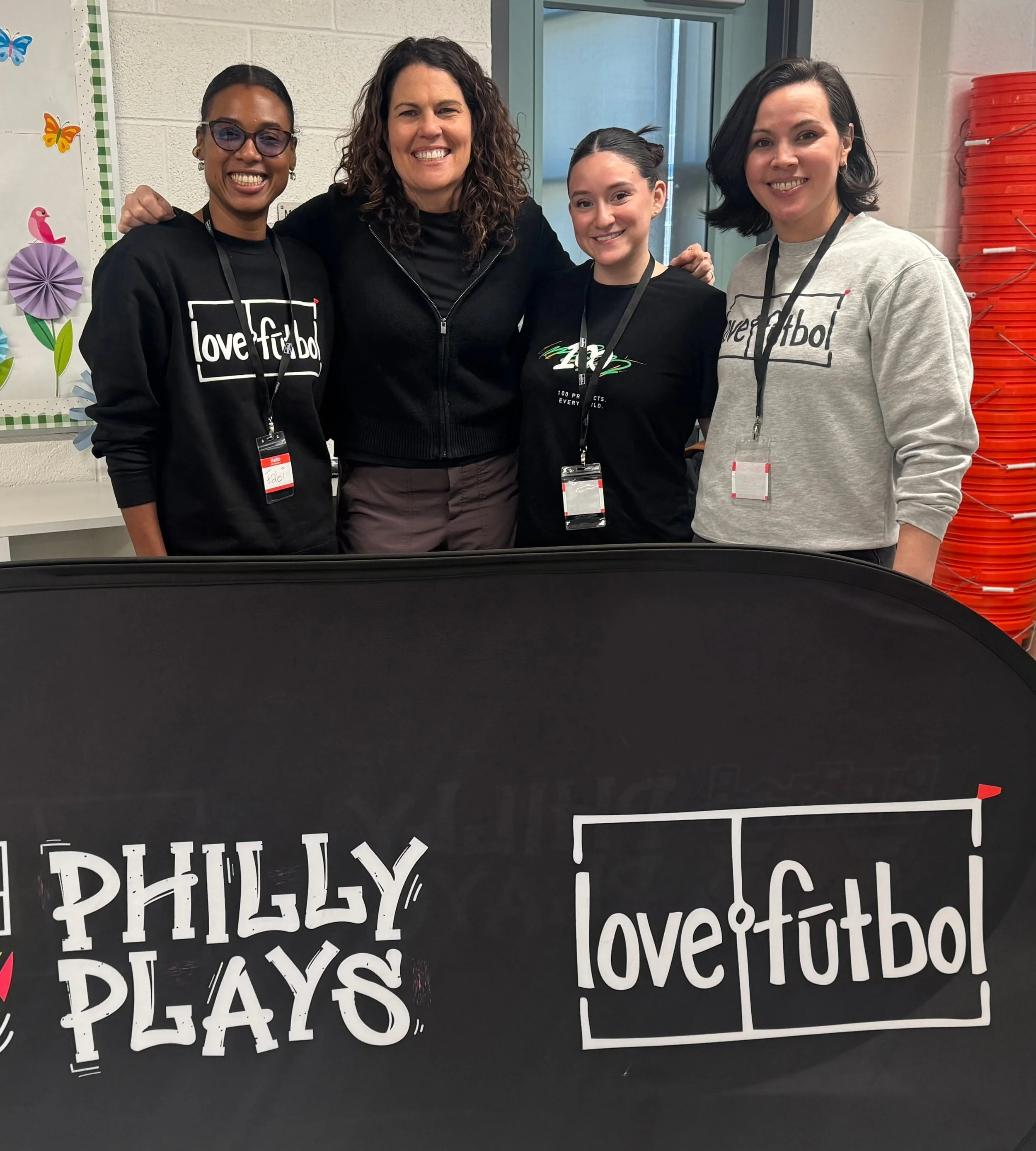
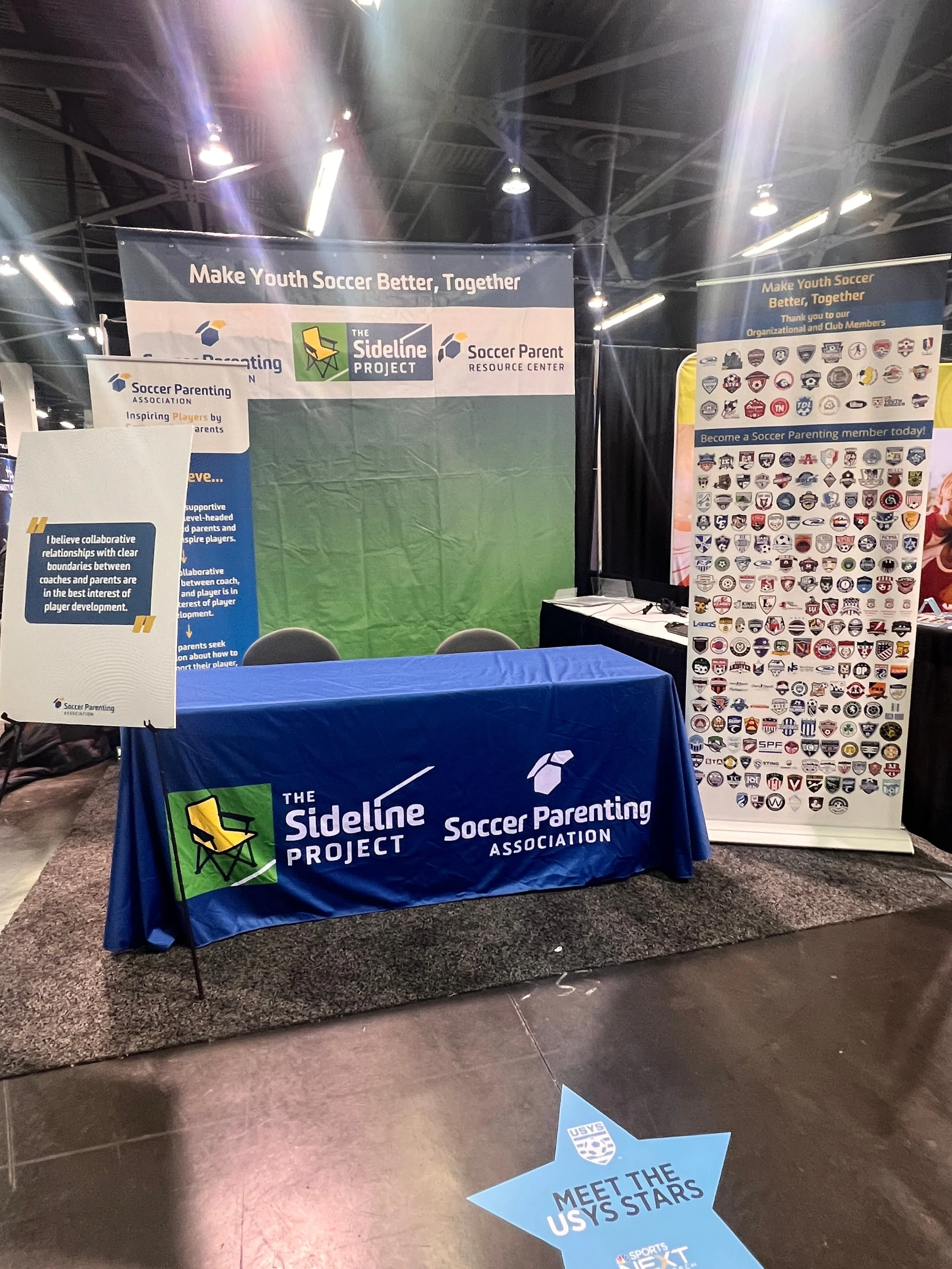
Hundreds of clubs across the country now partner with us to deliver this education directly to parents. Instead of parents guessing and clubs reacting, we create alignment.
And that alignment changes everything because kids enjoy the game more, coaches feel supported, and clubs build stronger, more consistent environments.
One Adult At A Time
What keeps me going is the kids and the sense of community we are building.
On hard days, I think about how many kids are one bad experience away from walking away from the game and how preventable that is.
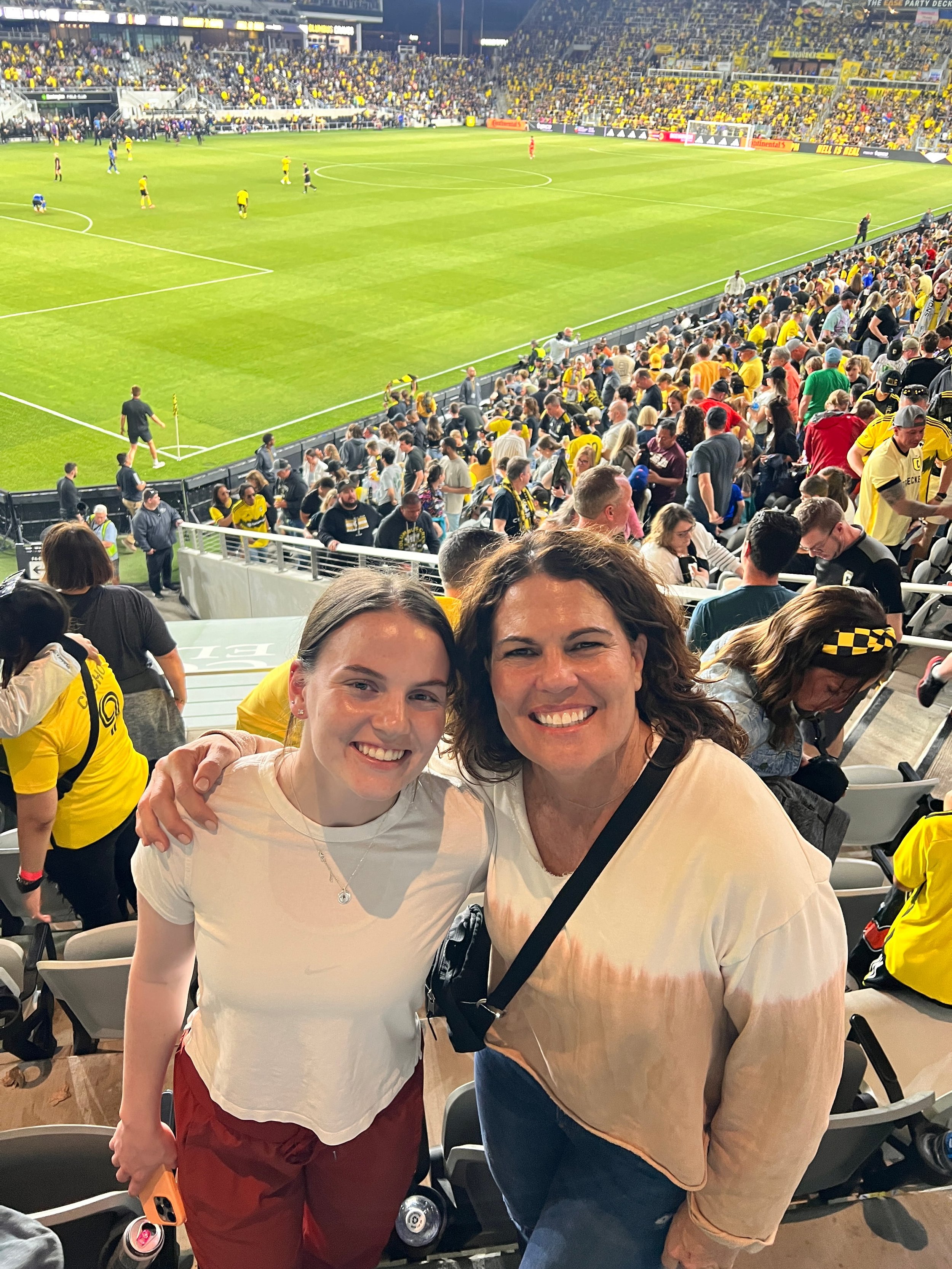
I have lived this personally with my daughter. She quit soccer at nine because her environment felt uninspiring, but later returned, played collegiately, and now works in the game as a coach and Manager of Youth Programs for the MLS’s Columbus Crew. She still plays today.
Regardless of level, what matters most is that kids love the game and feel they belong. I am not sure Cali’s journey would have unfolded this way without what I learned through Soccer Parenting.
I am also motivated by parents. Most are trying to do the right thing but they just need guidance. When given clarity, the shift is real. Sidelines change. Relationships improve. Kids benefit.
With the World Cup coming to the United States, there is a unique opportunity to shape not just excitement, but culture.
This work matters. For example, 64% of parents who take our 15-minute course, The Sideline Project, report improved sideline behavior, and 32% report a better relationship with their child.
We are making youth soccer better, one adult at a time.
Showing Up
Why I do this work comes down to the daily experience of everyone involved in youth sports.
The score that matters isn’t on the scoreboard but rather what people feel when the game is over.
Do they feel encouraged? Do they feel like they belong? Do they love the game?
Adults shape that experience. Parents, coaches, and club leaders influence whether a child stays in sports, builds confidence, or walks away.
For me, it is about creating environments where parents feel supported, so kids feel supported. Where families, teams, and communities come together with a sense of belonging that lasts beyond the game.
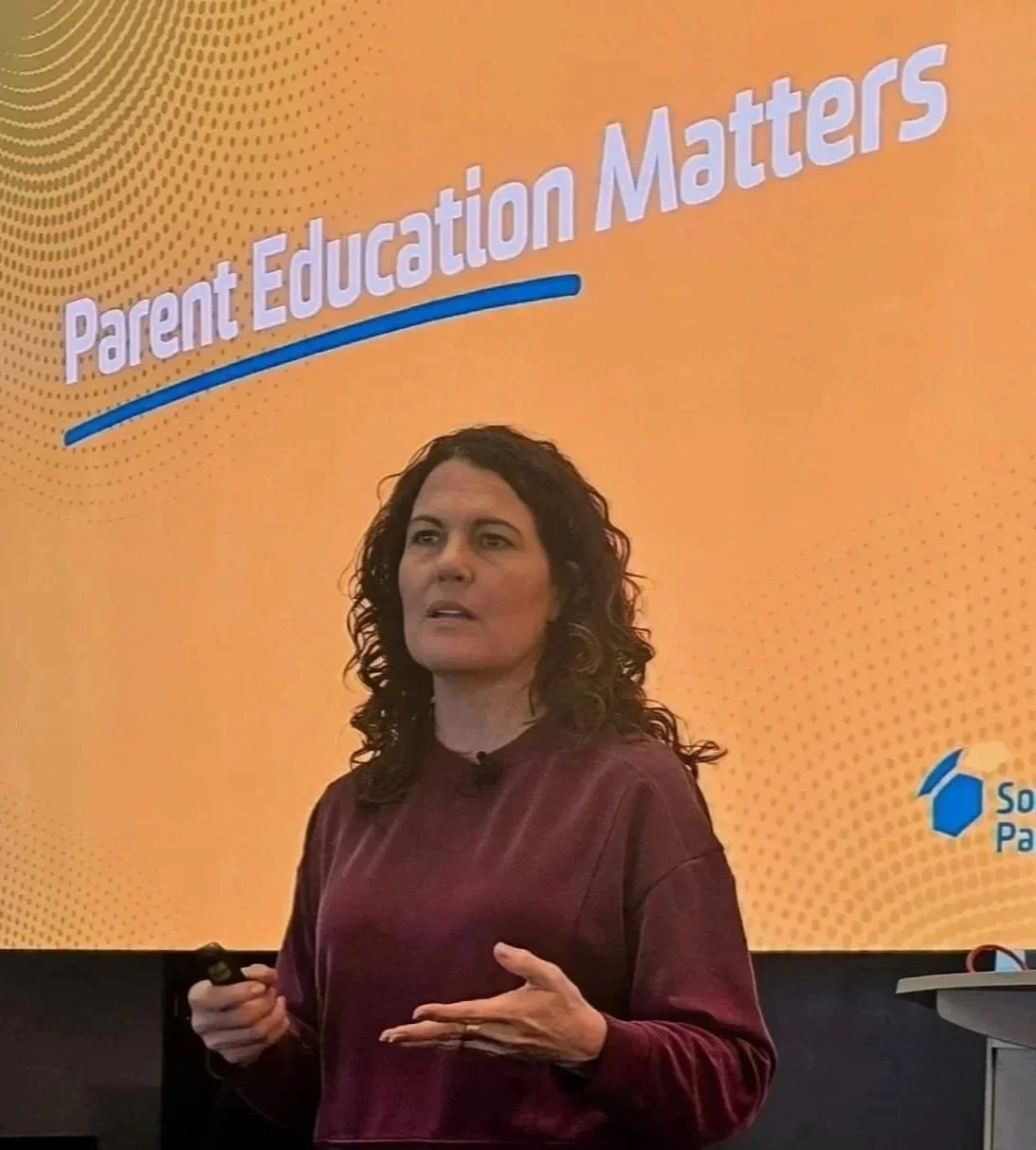
In my speaking, I often ask: is soccer for children or are children for soccer? Are we truly serving kids through the environments we create?
Every field, every sideline, every training session is an opportunity to inspire or to add pressure. It comes down to the adults.
To unlock soccer as a force for good, it starts with curiosity. Parents asking: What does my child need from me? Coaches asking: How do I create an environment where every player feels valued? Clubs asking: Is our culture aligned with what we say we believe?
From there, it requires intention with clear expectations, shared standards, and ongoing education. Not reacting when things go wrong, but proactively shaping the experience.
When adults are aligned and intentional, everything changes. Kids feel it immediately. They play freer, stay longer, and gain more from the game.
That is how soccer becomes a force for good - not by changing the game, but by changing how we show up around it.