Beyond The Whistle
Phoebe Cross, England
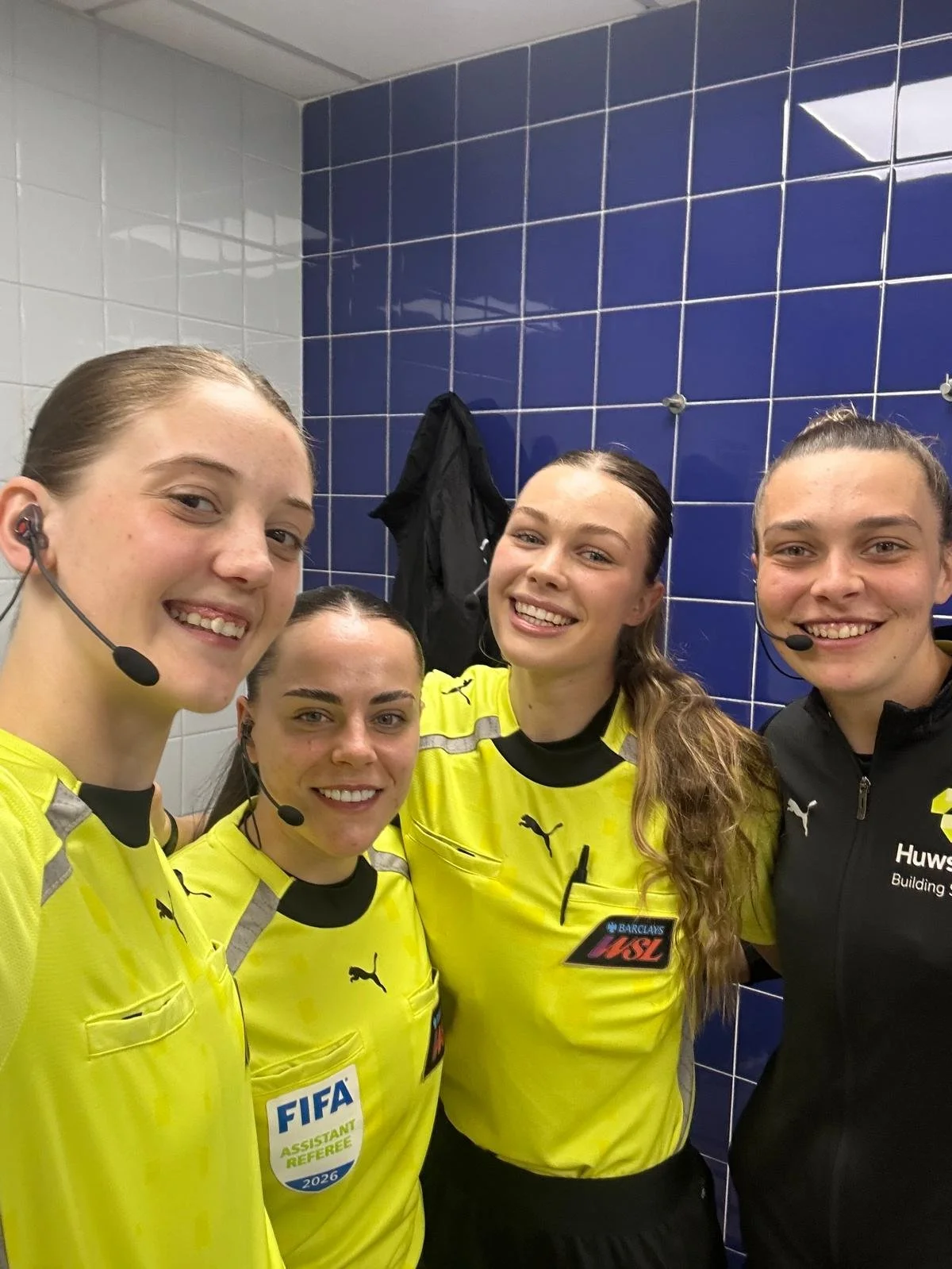
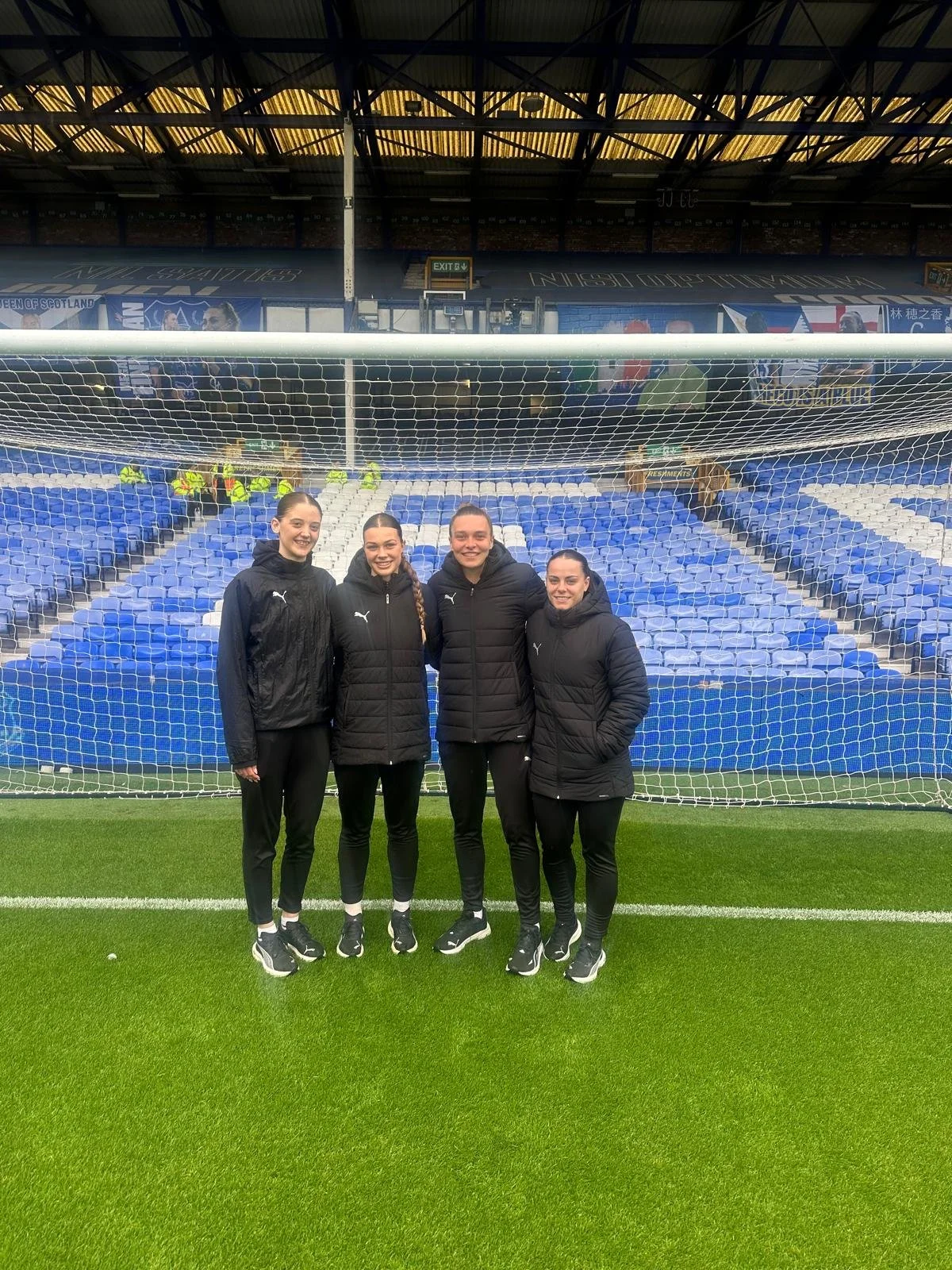
Pro Ref and Goal Click have partnered to tell the inside story of the life of a referee beyond the whistle. Captured through the eyes of WSL referee Phoebe Cross, we show the training, preparation, decision-making, and rarely seen moments that add up to officiating at the highest level of the game.
Phoebe Cross began her refereeing journey at age 14 at the encouragement of her mum and now officiates in the Women's Super League.
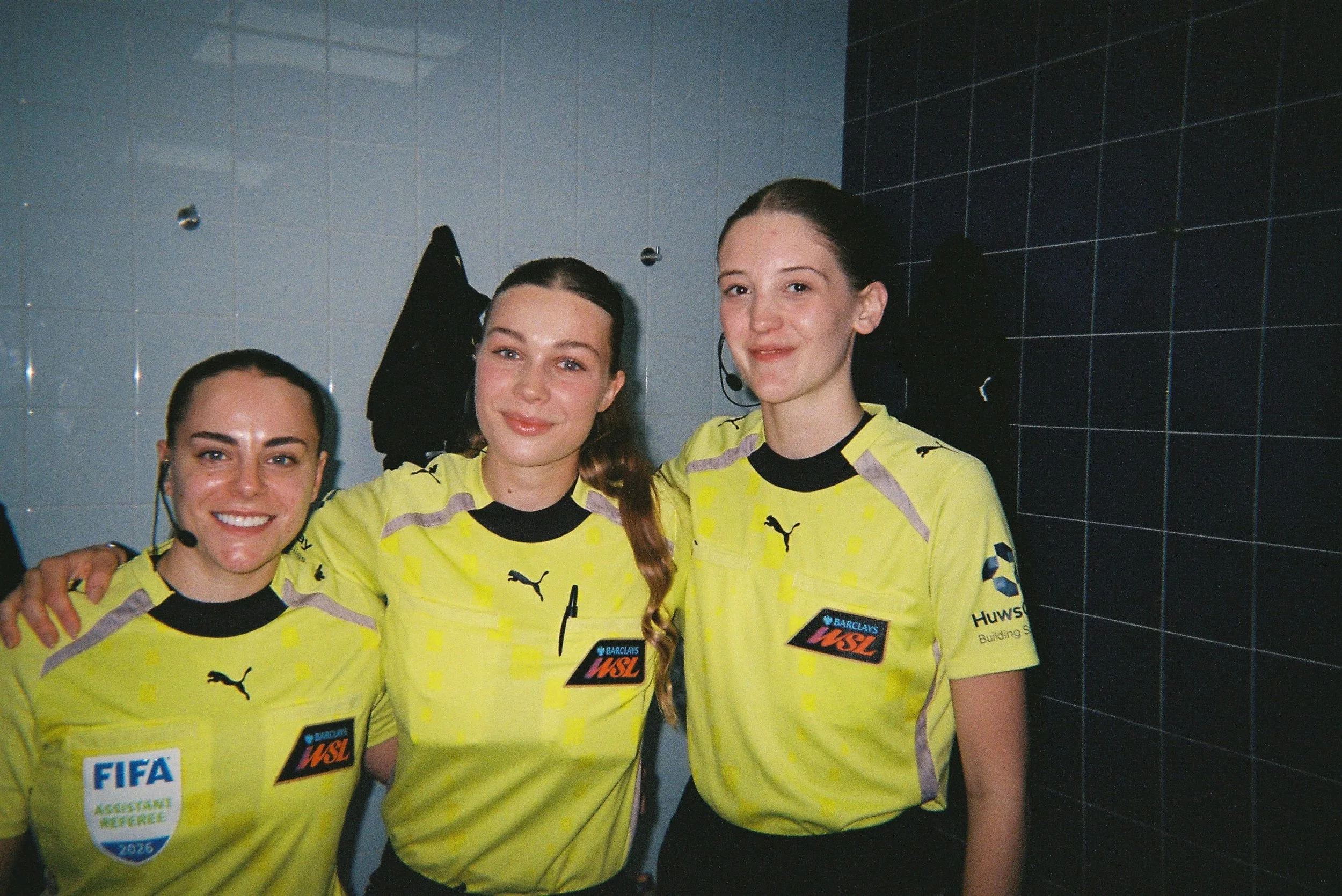
My name is Phoebe Cross, and I am a football referee from the East Midlands. Football has been a huge part of my life for as long as I can remember and it has given me so many opportunities. Outside of refereeing, I enjoy keeping active, spending time outdoors, and watching all kinds of sports.
My love for football started when I was growing up and playing the game myself. I always enjoyed being involved in football and the sense of community that comes with it. As I got older, it was my mum who encouraged me to take my referee course because she knew I enjoyed challenging myself.
My very first game was an under-9s match and, if I am honest, I was terrified! I worried about making the right decisions, what the players and coaches would think and whether I could manage the game. Once it got underway, the nerves settled, and by the end, I felt a huge sense of achievement. Most importantly, I survived… and I was back the following week!
At first, I saw refereeing as a way to stay involved in football, give something back to the game and earn a bit of extra money. But I quickly came to enjoy the challenge and responsibility of officiating, and it became something I was genuinely passionate about. Refereeing has taken me places I never imagined, opened so many doors and given me opportunities far beyond football.
One of the highlights of my refereeing journey has been progressing through the pathway and now operating in the Women's Super League. Looking back to when I first qualified as a referee at 14 years old, it is something I could never have imagined.
A particularly special moment was being appointed as Fourth Official for the Women's FA Cup Final at Wembley Stadium. Being involved in such a prestigious occasion at an iconic venue was an incredibly proud moment, and one that I will always remember.
The toughest moments are when you know you have got a decision wrong. As referees, we hold ourselves to high standards and I have learned to reflect honestly, understand what happened and use it to improve. You cannot change a decision once the game is over, but you can control how you respond.
Trusting Myself
One of the biggest misconceptions about referees is that we do not care when we make mistakes. The reality is the complete opposite. Every referee goes into a game wanting to make the right decisions, and we invest a lot of time preparing for matches. We reflect on our performances, review key moments, speak with coaches, and look at what we can learn moving forward.
Fans might see a decision in isolation, but they do not see the hours of preparation, analysis, and self-reflection that happen behind the scenes. Referees are our own biggest critics because we care about performing well and doing the best job we can for the game.
Not every game goes perfectly, though, and you have to reflect, learn and move forward without letting one moment define you. Refereeing has reinforced the importance of respect, fairness and empathy, and shown me that how you treat and communicate with people can have just as much impact as the decisions you make.
A lot of people only see the 90 minutes on matchday, but there is a huge amount of preparation that goes on behind the scenes. Physically, I train several times a week to make sure I am fit enough to keep up with the demands of the game, and I work with the sports science team to ensure I am ready for each fixture.
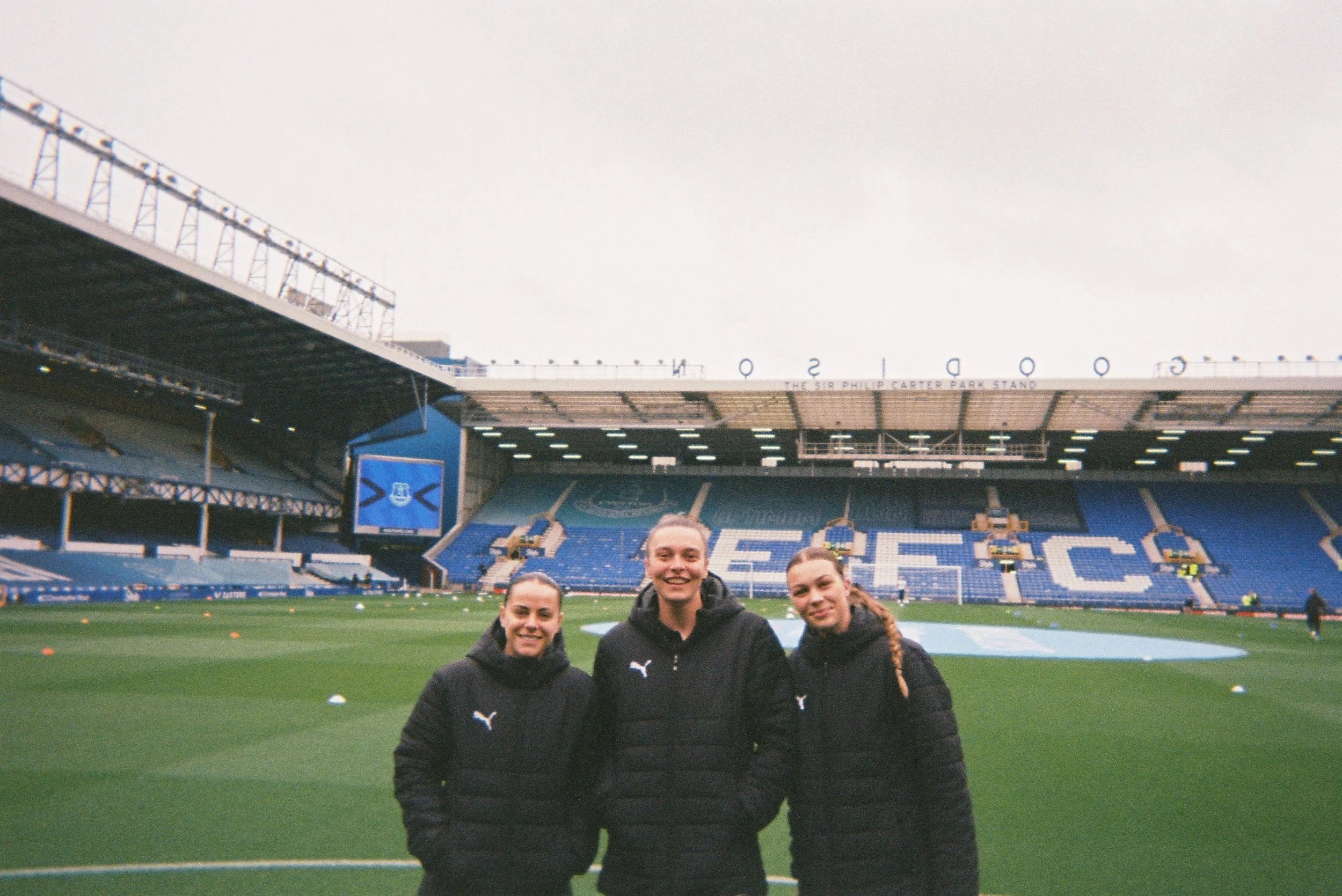
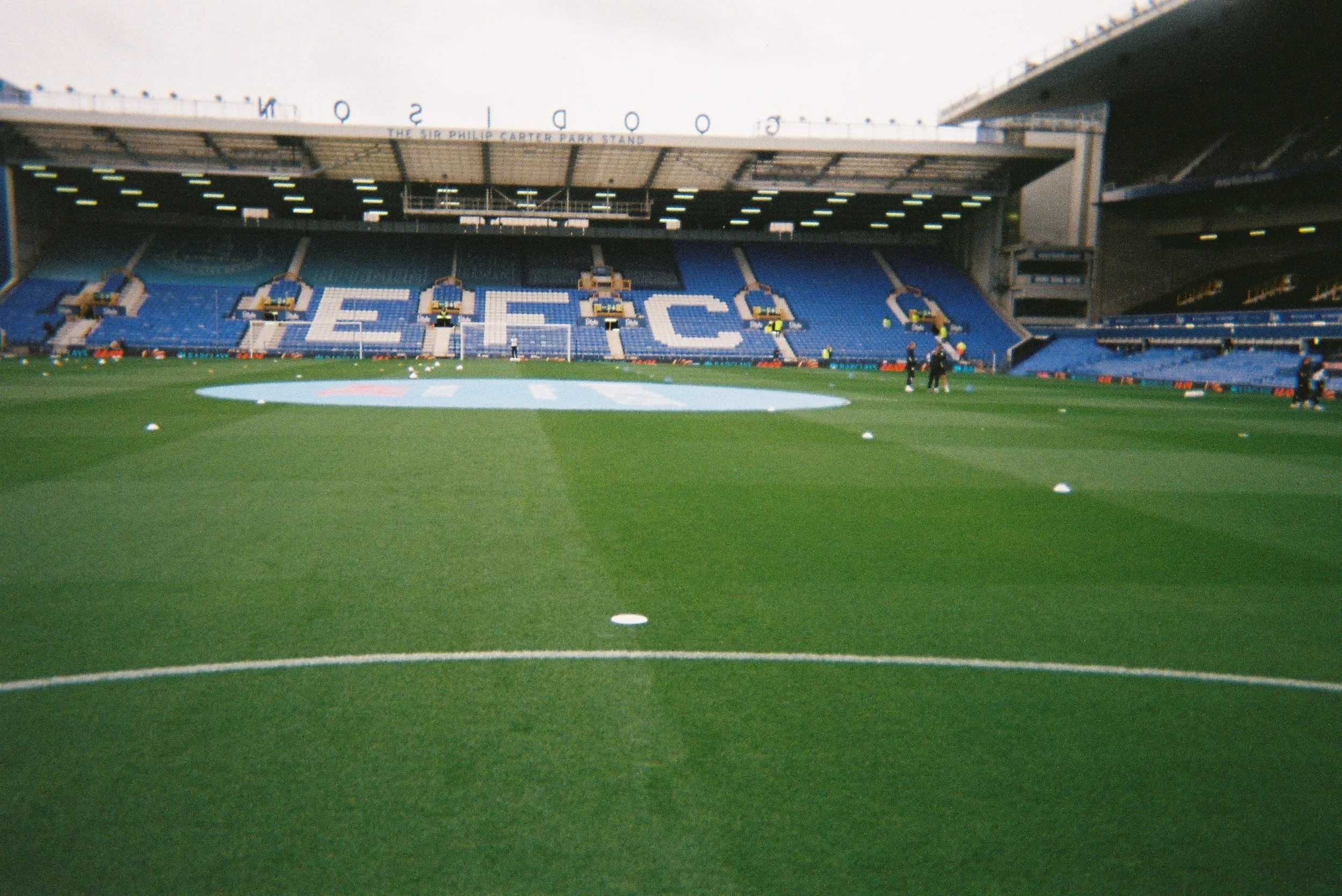
Before a match, the tunnel is where my focus really sharpens. It is the first chance to feel the atmosphere, see how the players are interacting and start those early conversations. By then, all the preparation is done and I am ready to manage the next 90 minutes.
Mentally, preparation is just as important. Before a match, I make sure I have reviewed team insights, thought about game scenarios I may face, and put myself in the best mindset to perform. I spend time reflecting on previous matches, speaking with my coach, and identifying areas where I can continue to improve.
One piece of advice that has always stayed with me is to “referee the game in front of you.” Every match is different, and no two games unfold the same way. You have to be prepared to adapt because the landscape of a game can change in an instant.
When it comes to handling pressure, I try to focus on what I can control. As a referee, you are constantly making decisions, often with very little time to think. I have learned to trust my ability, stay confident in my decision-making, and move on quickly from difficult moments rather than dwelling on them.


Off The Pitch
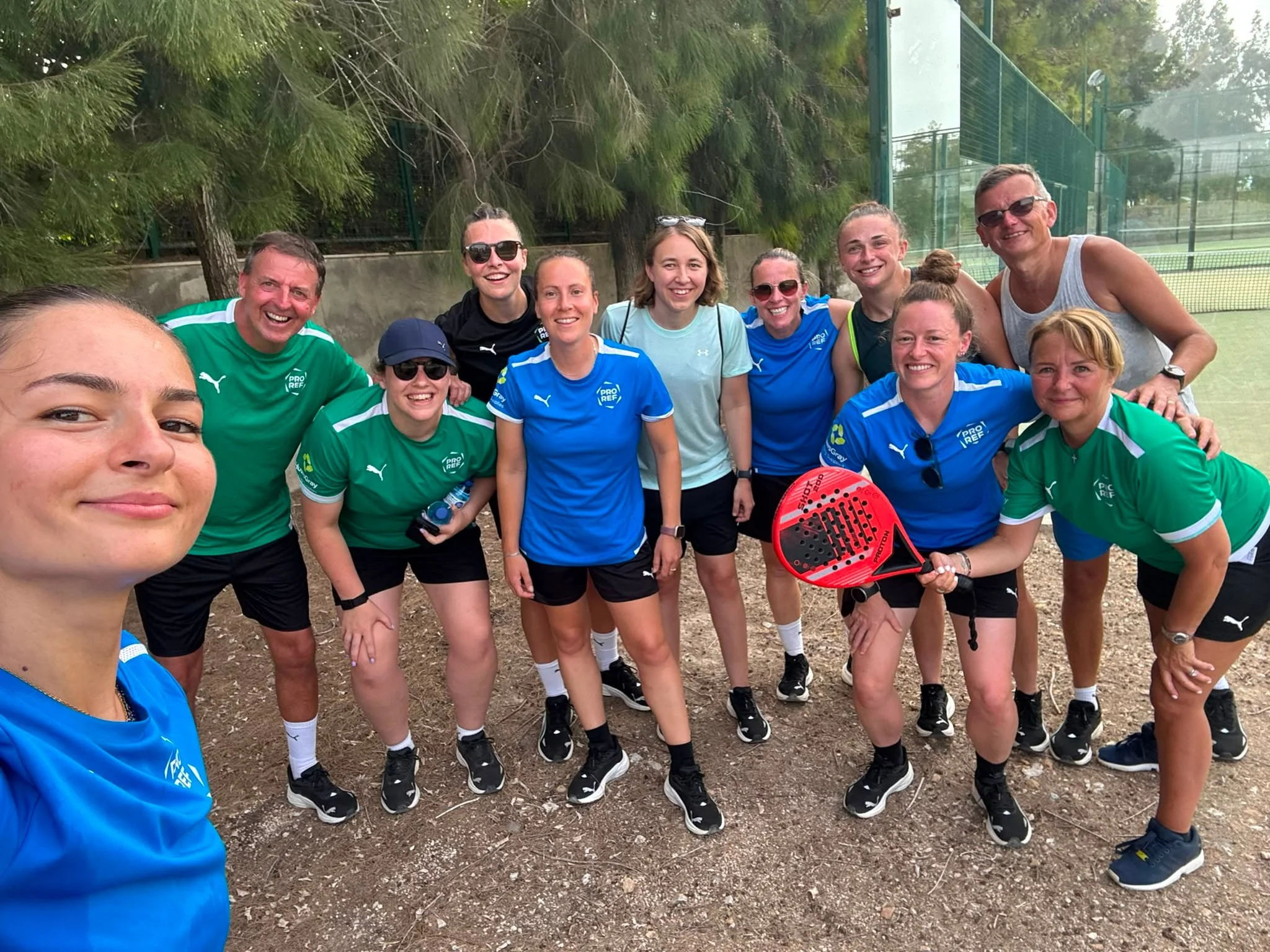
I enjoy keeping active, spending time outdoors, watching sport, and being around family and friends. Alongside officiating, I work in higher education, and many of the skills I use in my professional role translate directly to refereeing. Working with a wide range of people, communicating clearly, solving problems, and making decisions in challenging situations are all skills that I use both in my career and on the football pitch.
I think those experiences have helped shaped the way I referee. Building relationships and communicating effectively are such important parts of officiating. Every player, coach, and match is different, so being able to adapt your communication style and understand different personalities can make a huge difference.
Interactions with captains are a good example. Those early conversations can set the tone for the game and help build trust. Communicating clearly, listening and showing respect establishes a relationship that can help with situations as the match develops.
Give It A Go
My advice to women and girls interested in refereeing would be simple: give it a go and be open to trying something new. Refereeing is an opportunity to challenge yourself, step outside your comfort zone, and develop valuable skills. It has helped me build confidence, communication skills, resilience, and leadership. It is rewarding to test yourself in different situations, make decisions under pressure, and play an important role within the game.
More women officiating at the highest levels has helped normalise female referees and shown those coming through the pathway what is possible. The 2026 FIFA World Cup was a brilliant example of female match officials representing at the highest level.
It is also a really exciting time for women and girls in football. The women's game continues to grow with more opportunities than ever beforeand clear pathways to progress. I could never have imagined some of the opportunities it would lead to.
You do not need to have all the answers when you start, just a willingness to learn, work hard, and enjoy the journey. You never know where it might take you.