Learning To Fly
Ollie Payne, England
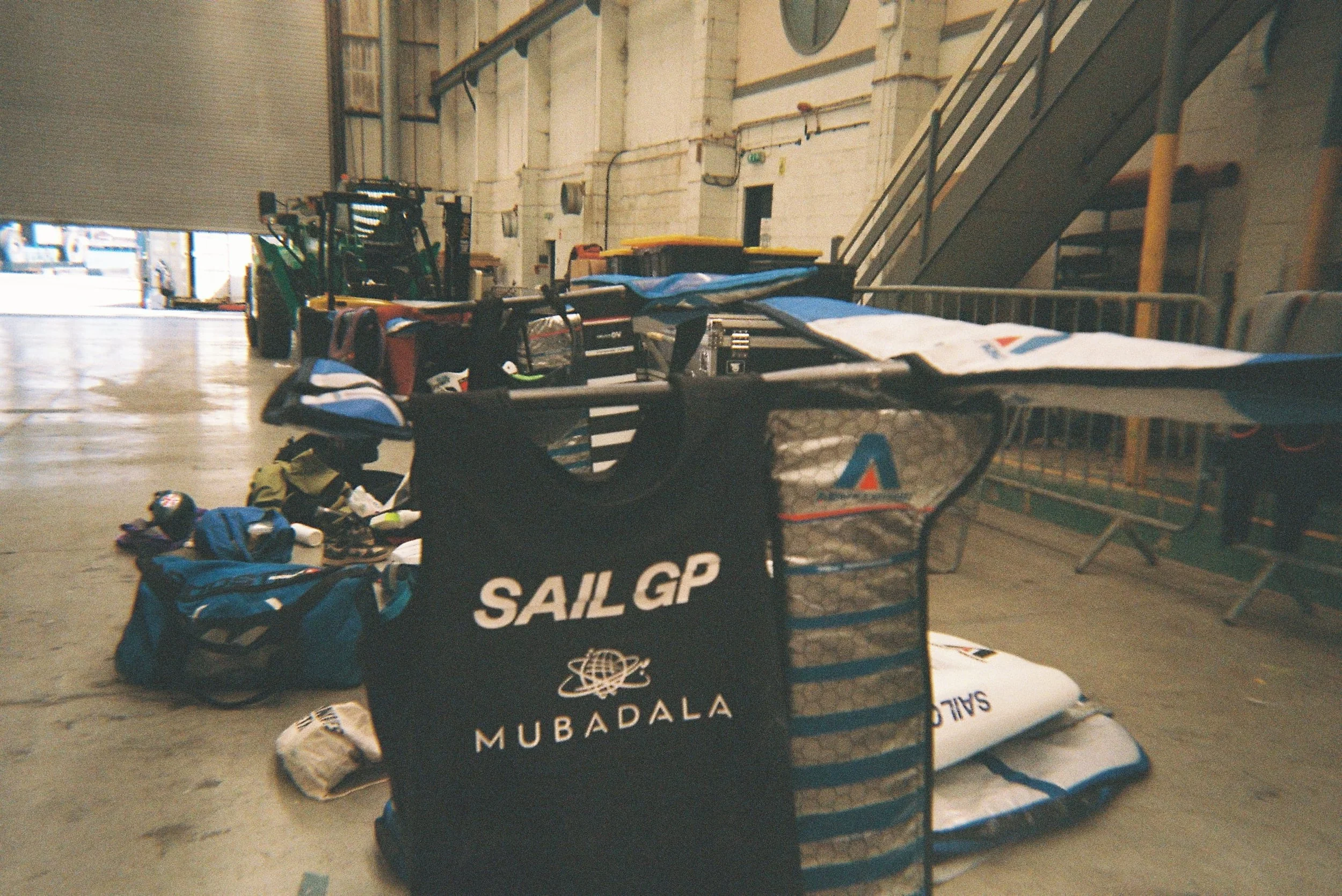
Goal Click has teamed up with SailGP to capture the spirit of the league through the eyes of its fans to showcase the emotion, energy, and personal journeys that surround SailGP events.
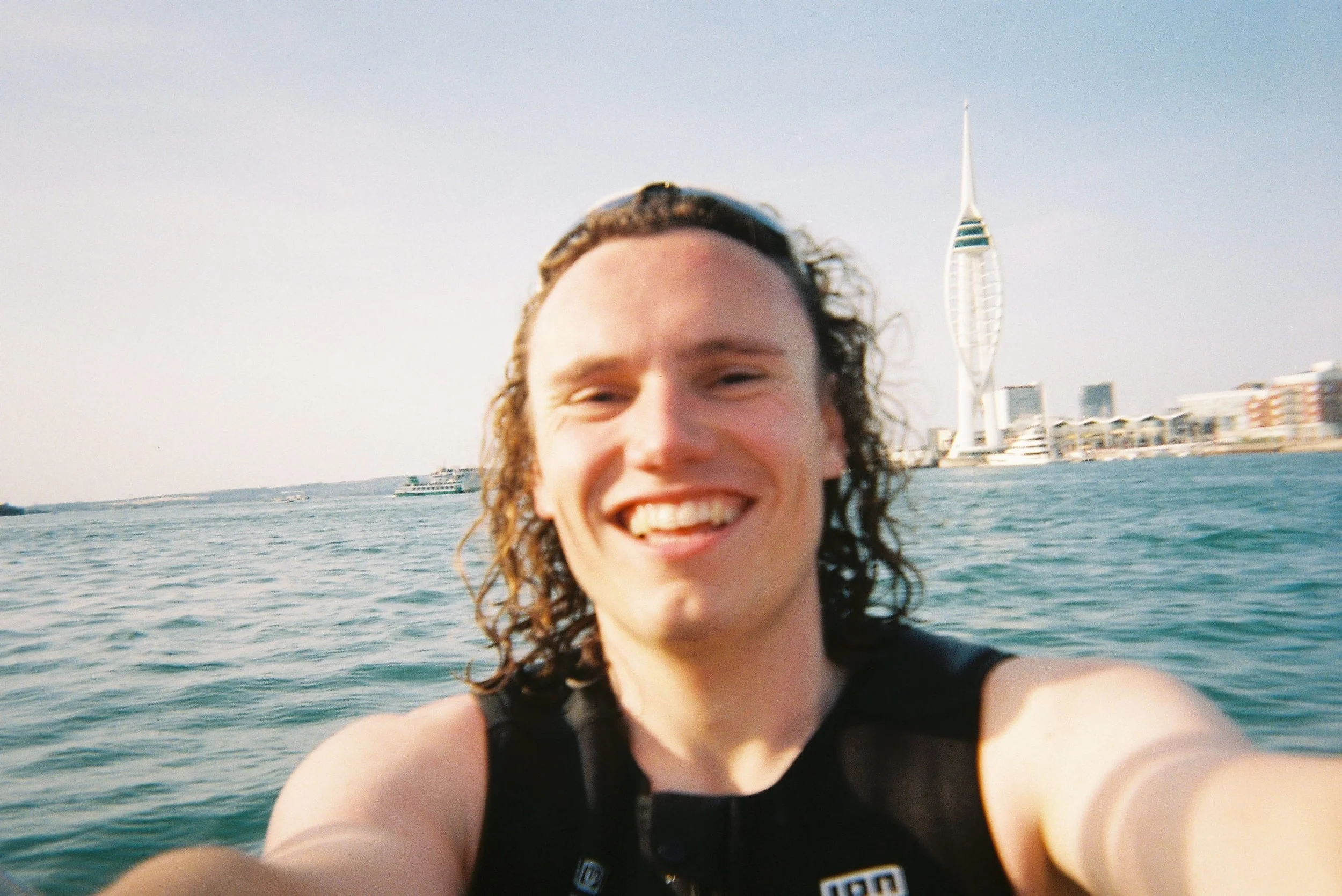
Ollie Payne is a 19-year-old wingfoiler, sailor and physics student from Southampton whose passion for foiling has led him from racing on the Solent to performing at SailGP events.
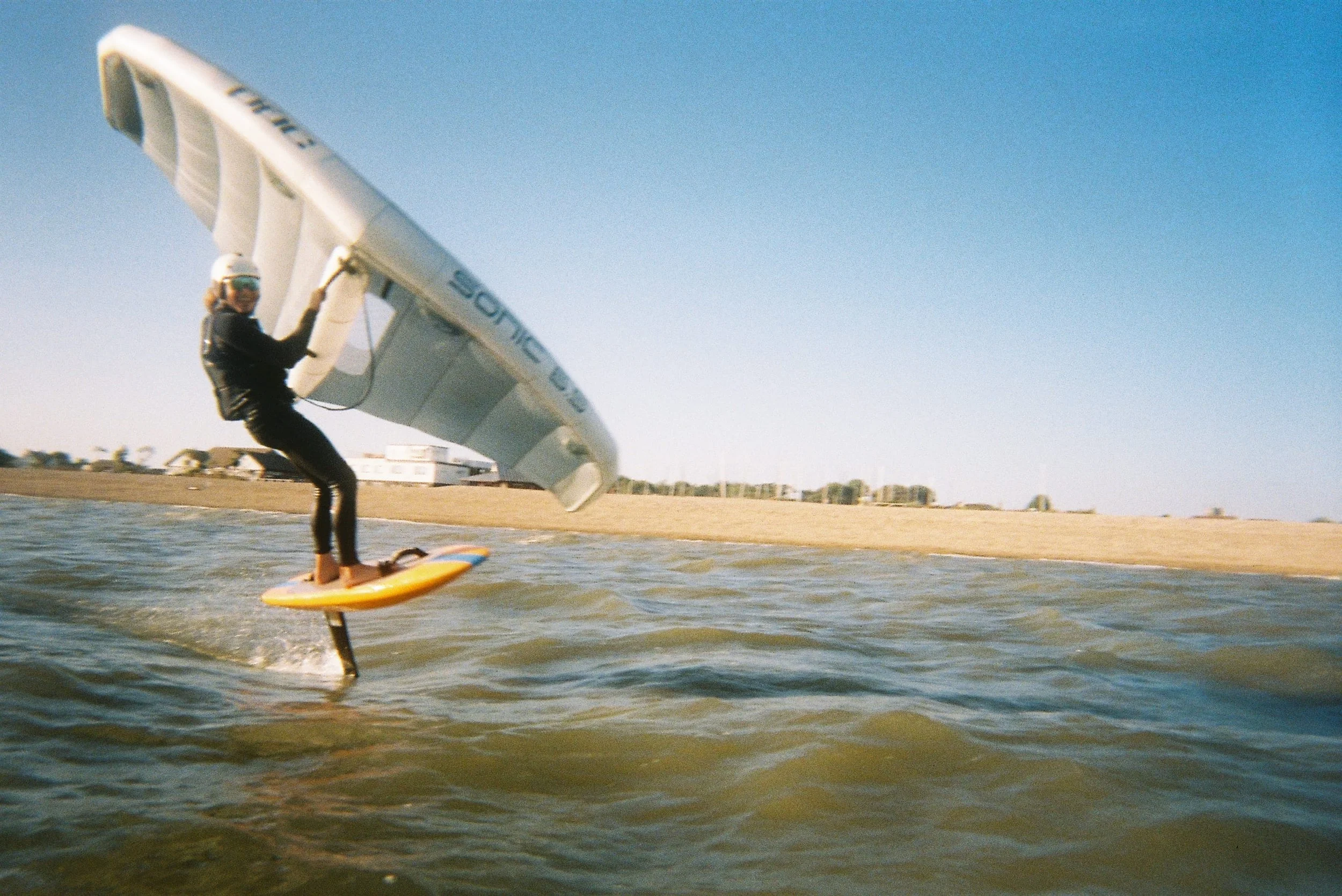
So many people still picture sailing as slow boats disappearing over the horizon, but wingfoiling shows a completely different side of the sport. It is fast, dynamic, engaging to watch, and demands an incredible amount of skill and athleticism.
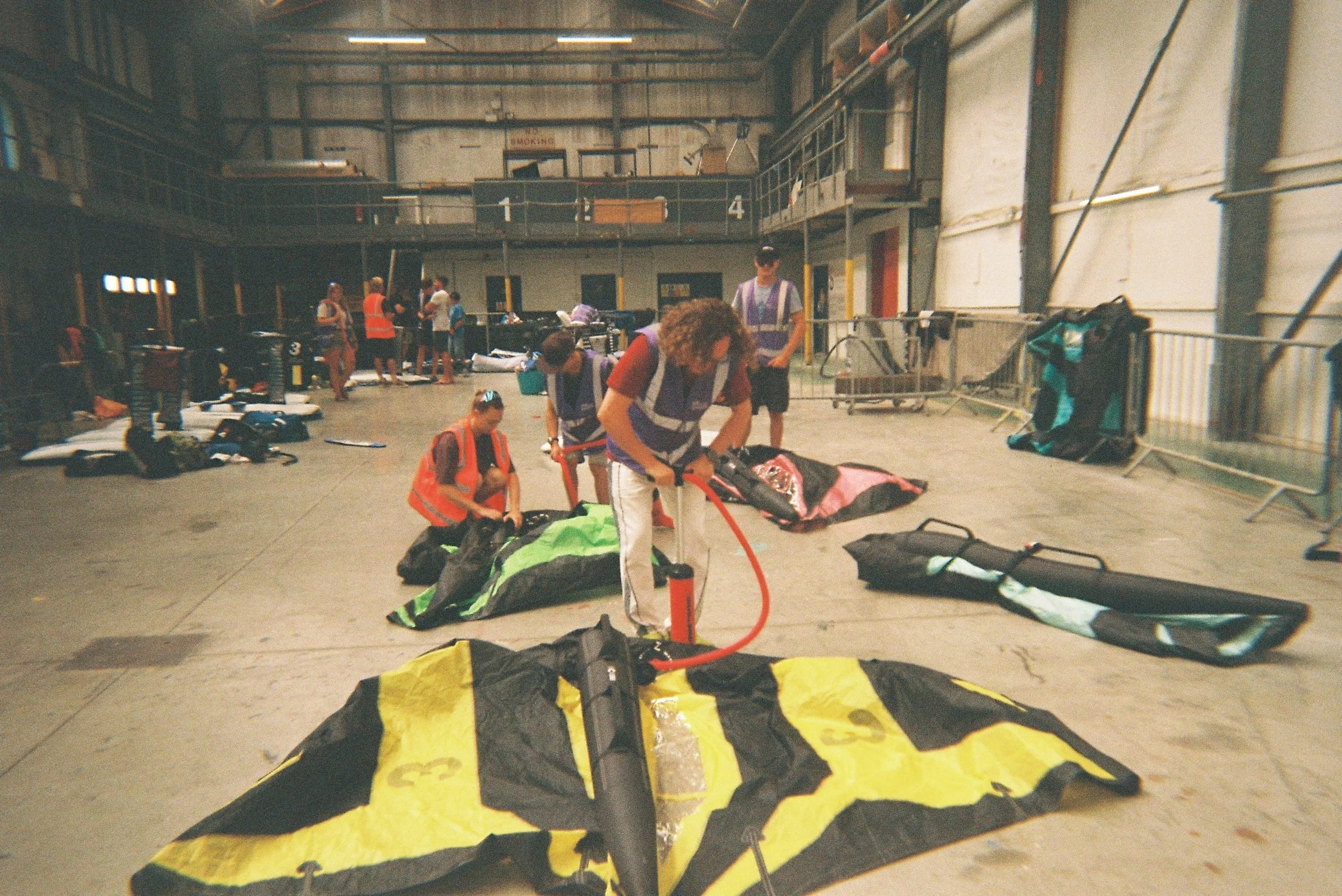
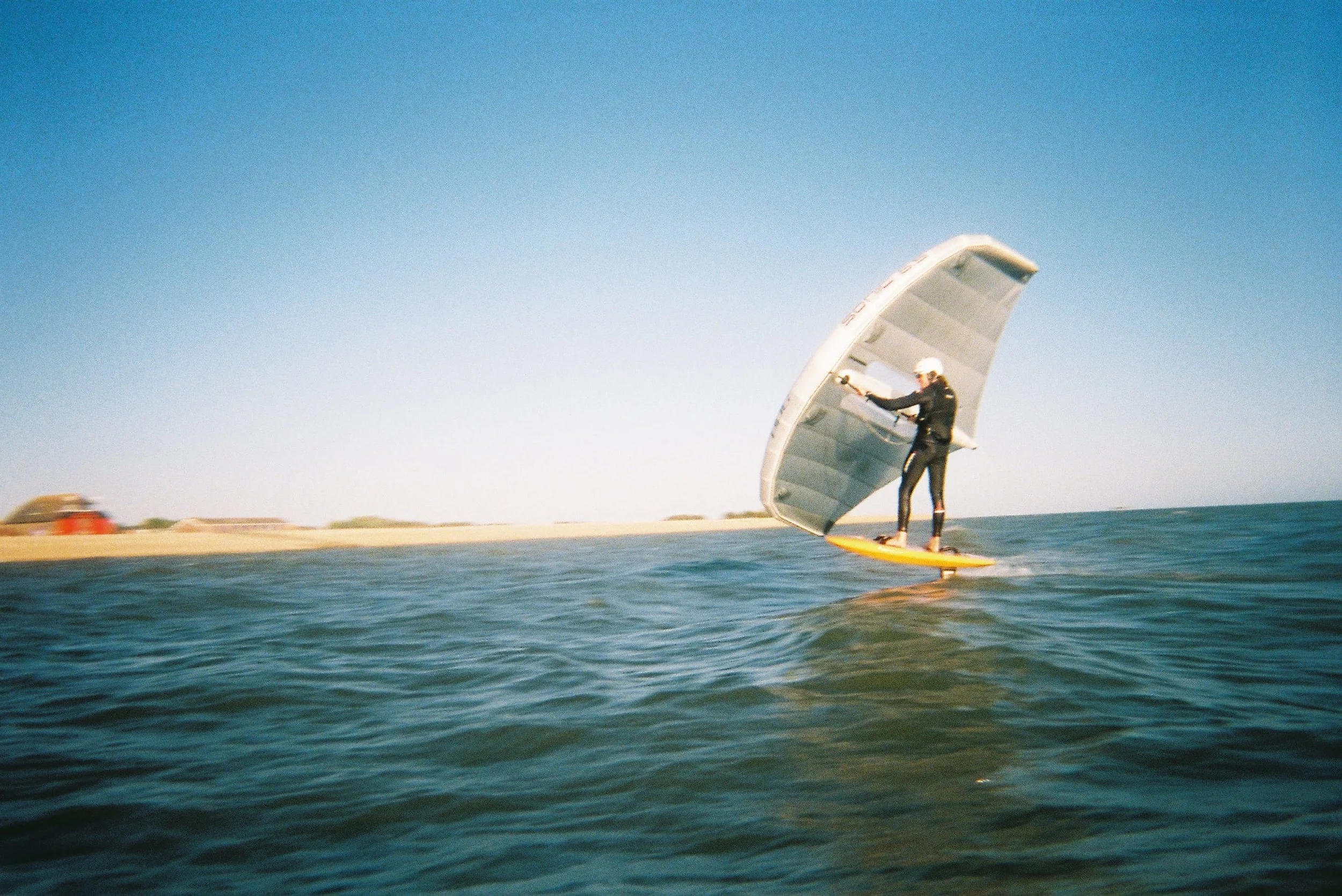
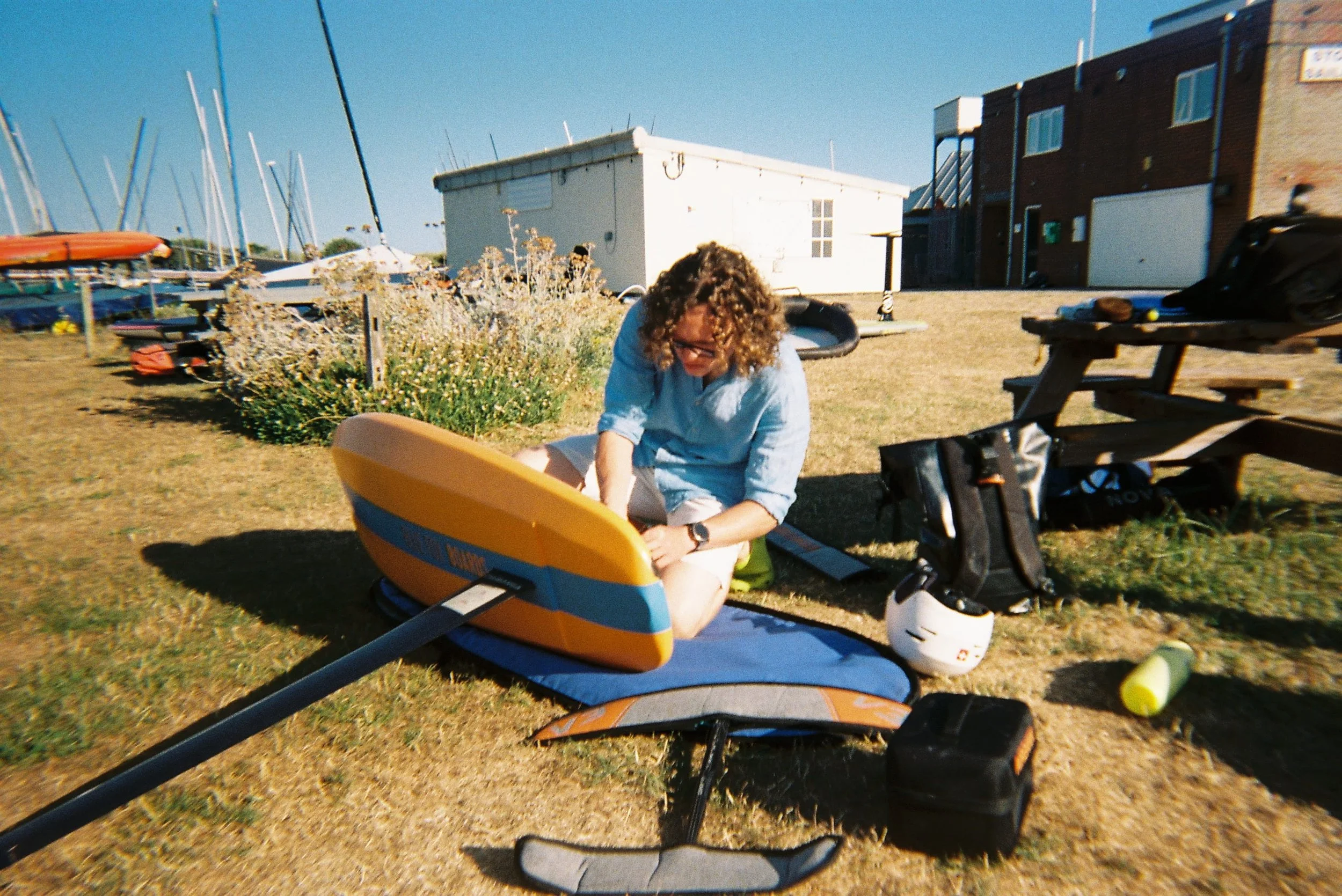
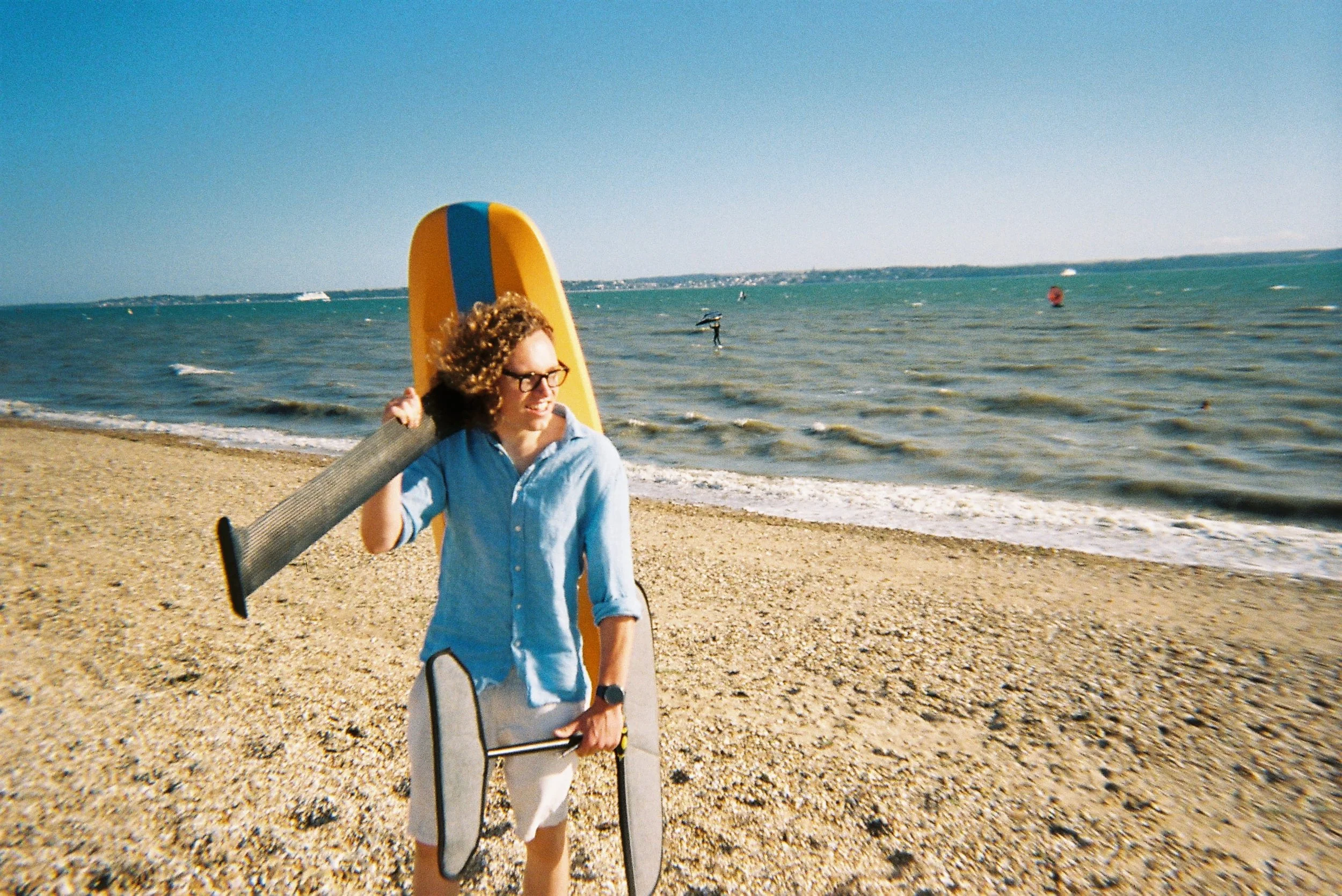
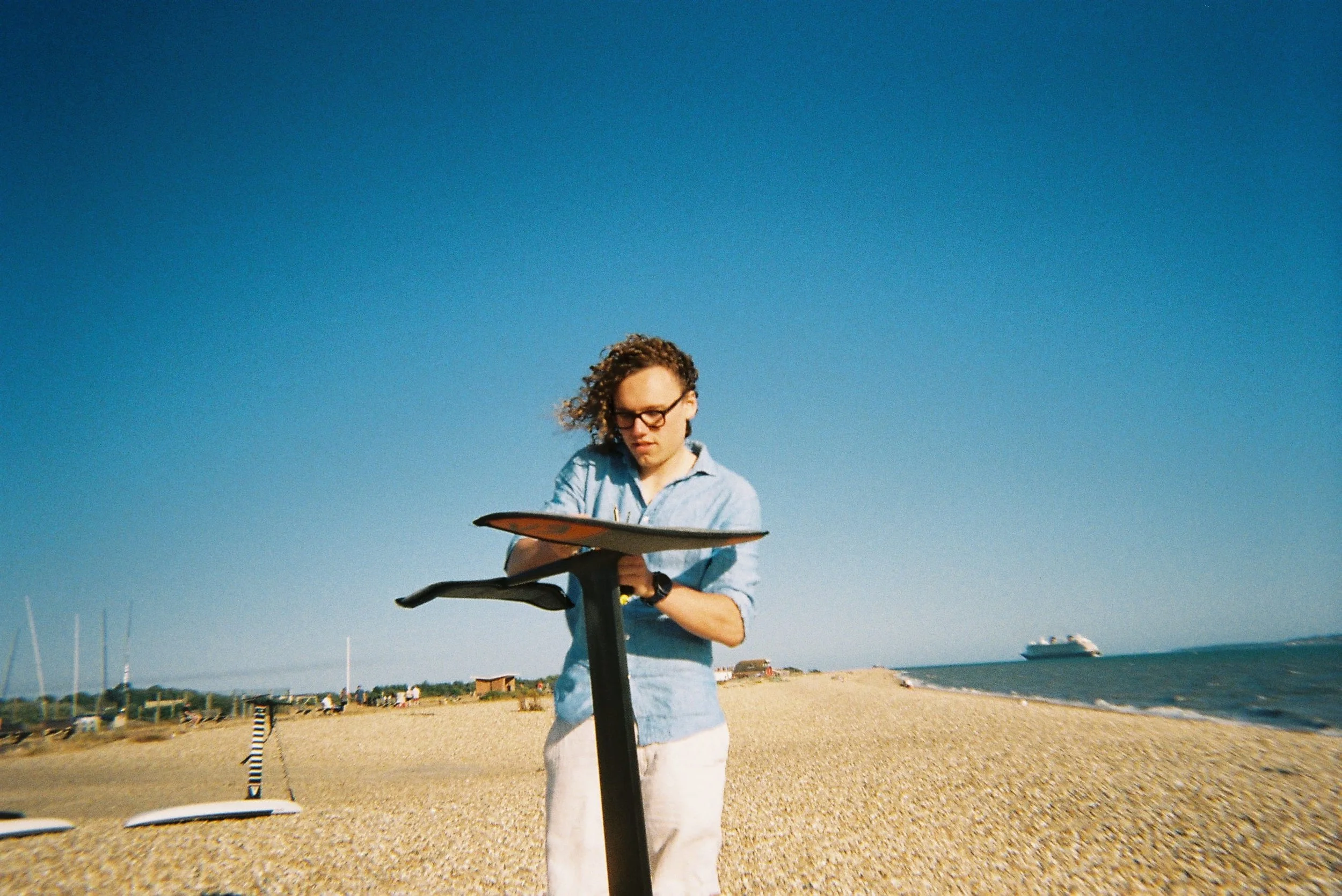
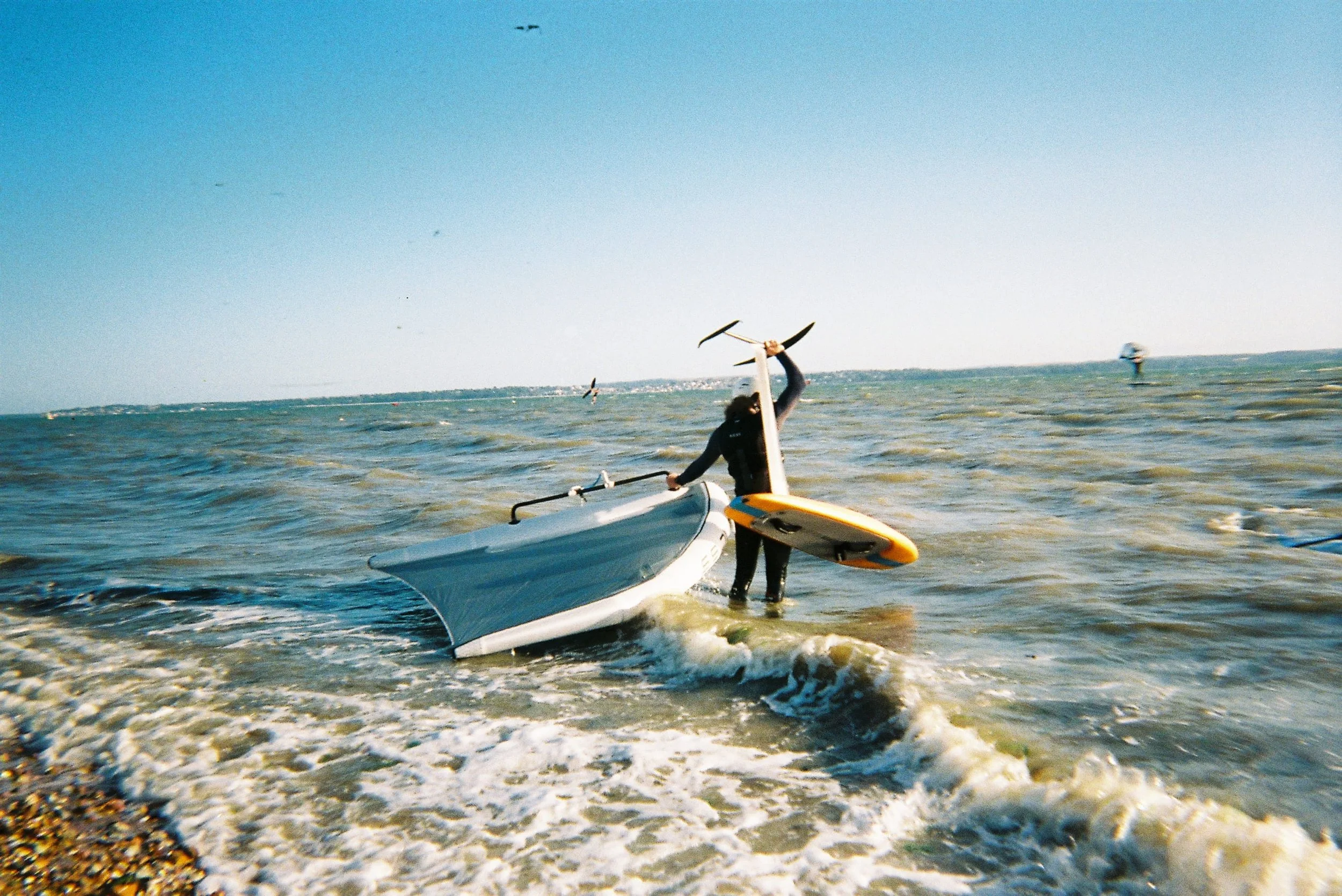
Wingfoiling is a water sport where you ride a board fitted with a hydrofoil and use an inflatable wing to harness the wind. As the foil lifts the board above the water, you glide across the surface at high speeds with minimal resistance.
My name is Ollie Payne. I am a 19-year-old wingfoiler and sailor, born in Cyprus on a British Sovereign Base and raised on the south coast of the UK, growing up on the Solent. I now live in Southampton, where I am studying Physics and Astro/Aeronautical Engineering at the University of Southampton. I have deliberately chosen modules focused on hydrodynamics and fluid mechanics because I want to better understand the science behind foiling and use that knowledge to find even the smallest gains.
My sailing journey began when I was five after watching the cadets at my local club (shout out Stokes Bay!) and thinking how much fun it looked. I remember turning to my parents and saying, "I'd really like to have a go at that." Around the same time, I was inspired by watching Sir Ben Ainslie win gold at the London 2012 Olympics. Just a week later, my now mentor and coach, Derek Clark, took me out on the water in some pretty wild conditions. Safe to say I could not stop smiling, and I have been hooked ever since.
What first drew me to sailing was the sense of freedom it gave me at such a young age, and that love only grew once I started racing. I quickly realised sailing is just as much a mental sport as it is a physical one, and that combination of athleticism and strategy is what keeps me coming back. Adapting to the conditions, anticipating my competitors, and making split-second decisions under pressure is what makes the sport so addictive.
My wingfoiling journey has been extremely fast-paced. From teaching myself this completely new discipline to finishing 2nd overall on the 2025 UK Wingfoil Tour within just two years of starting.
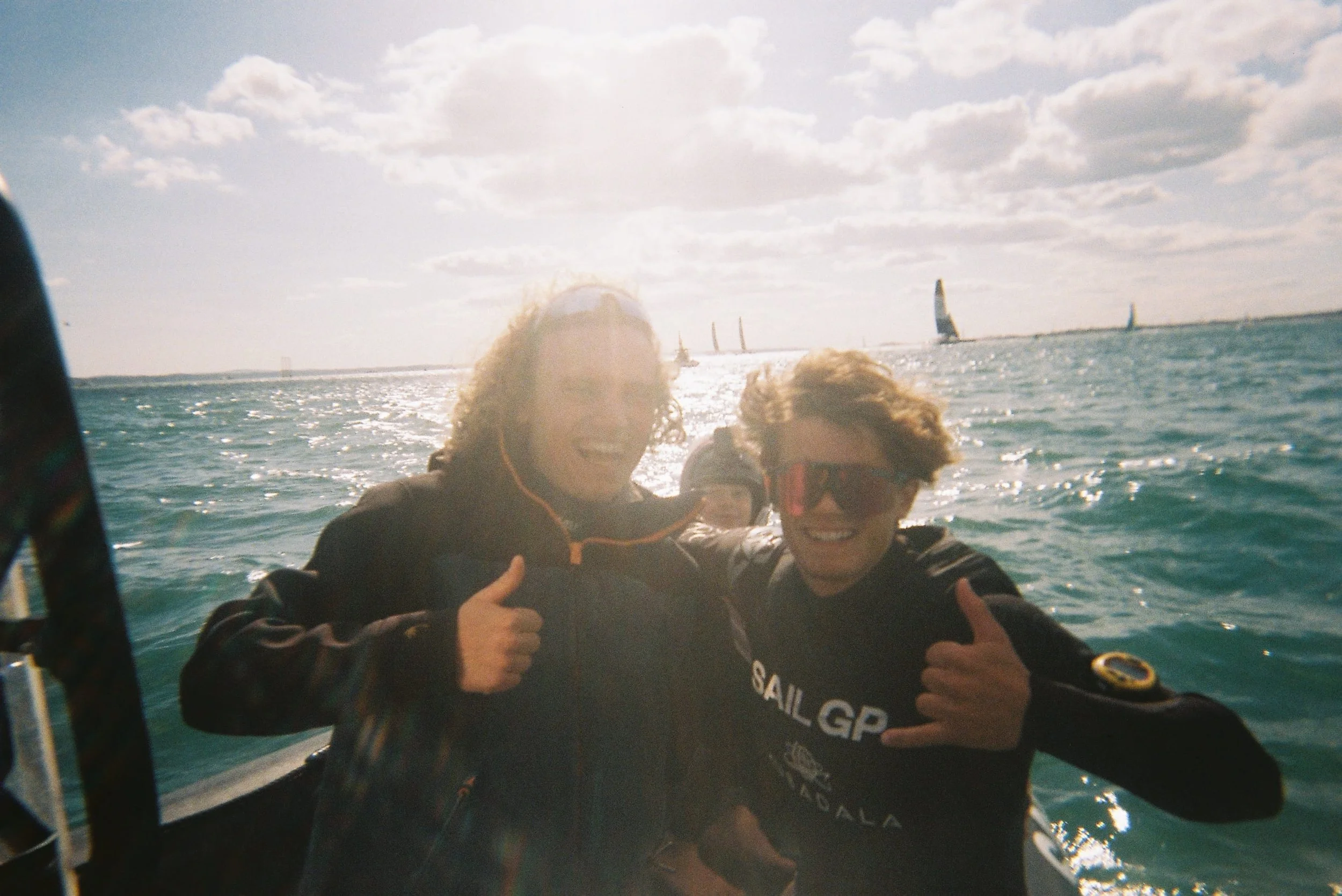
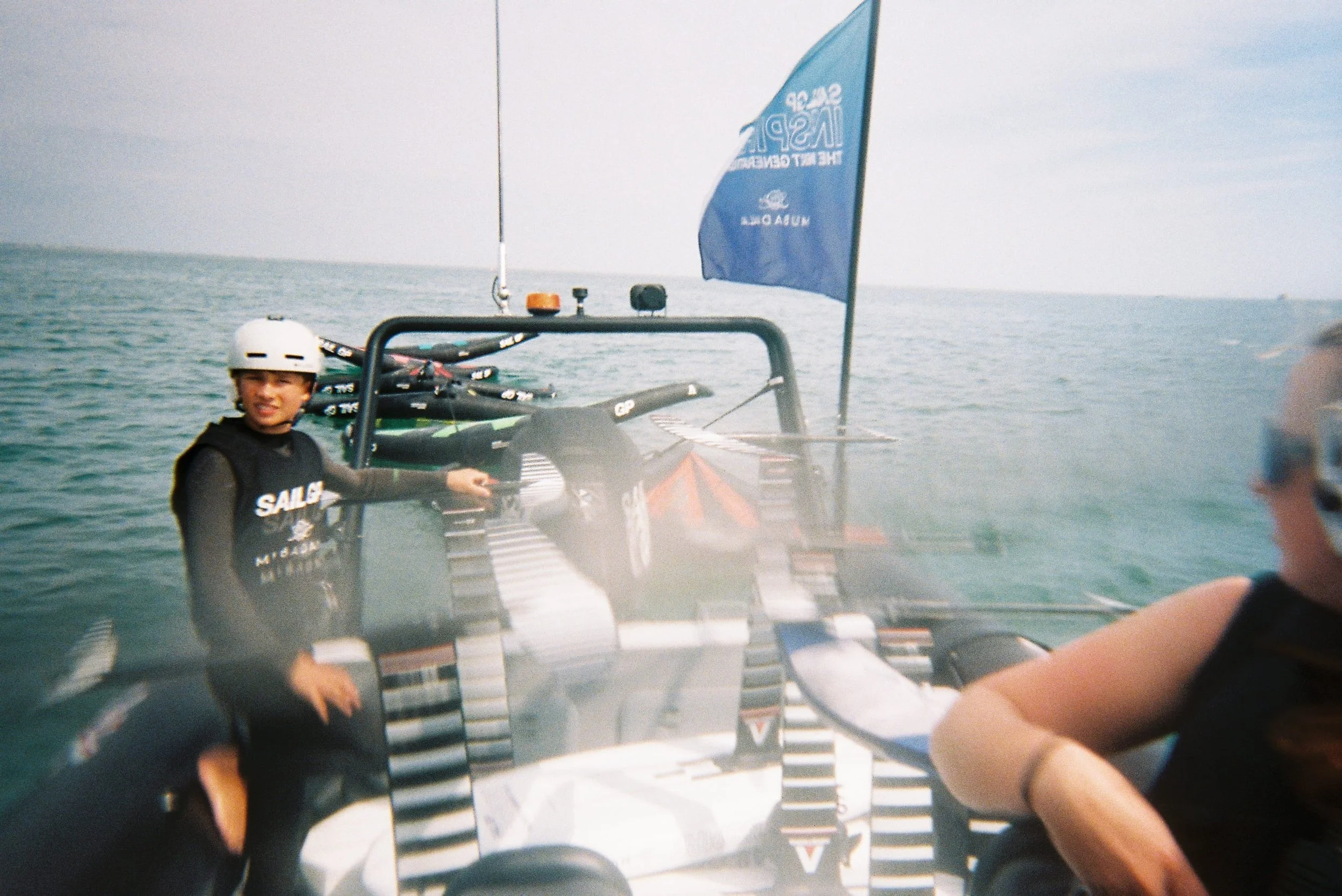
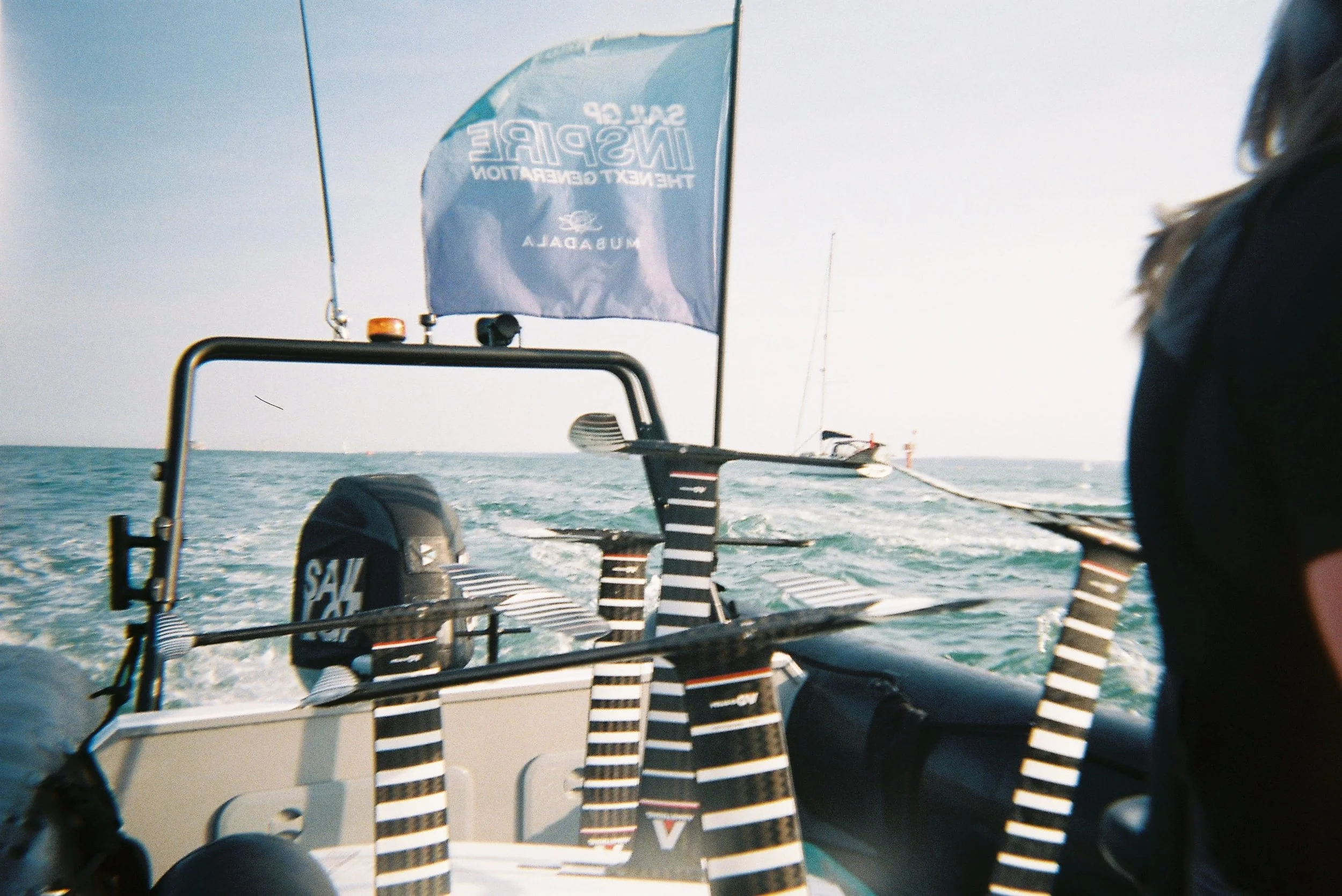
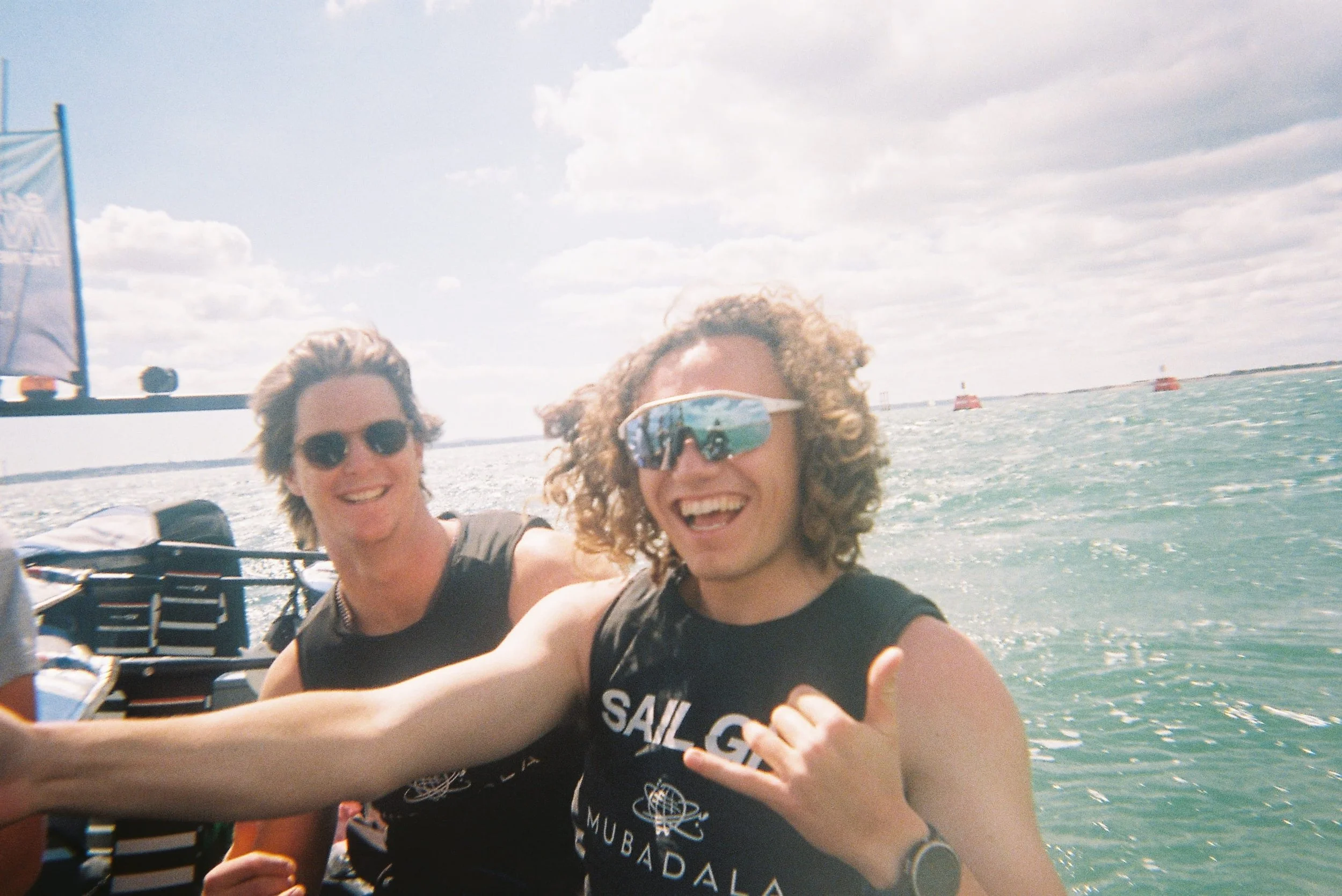
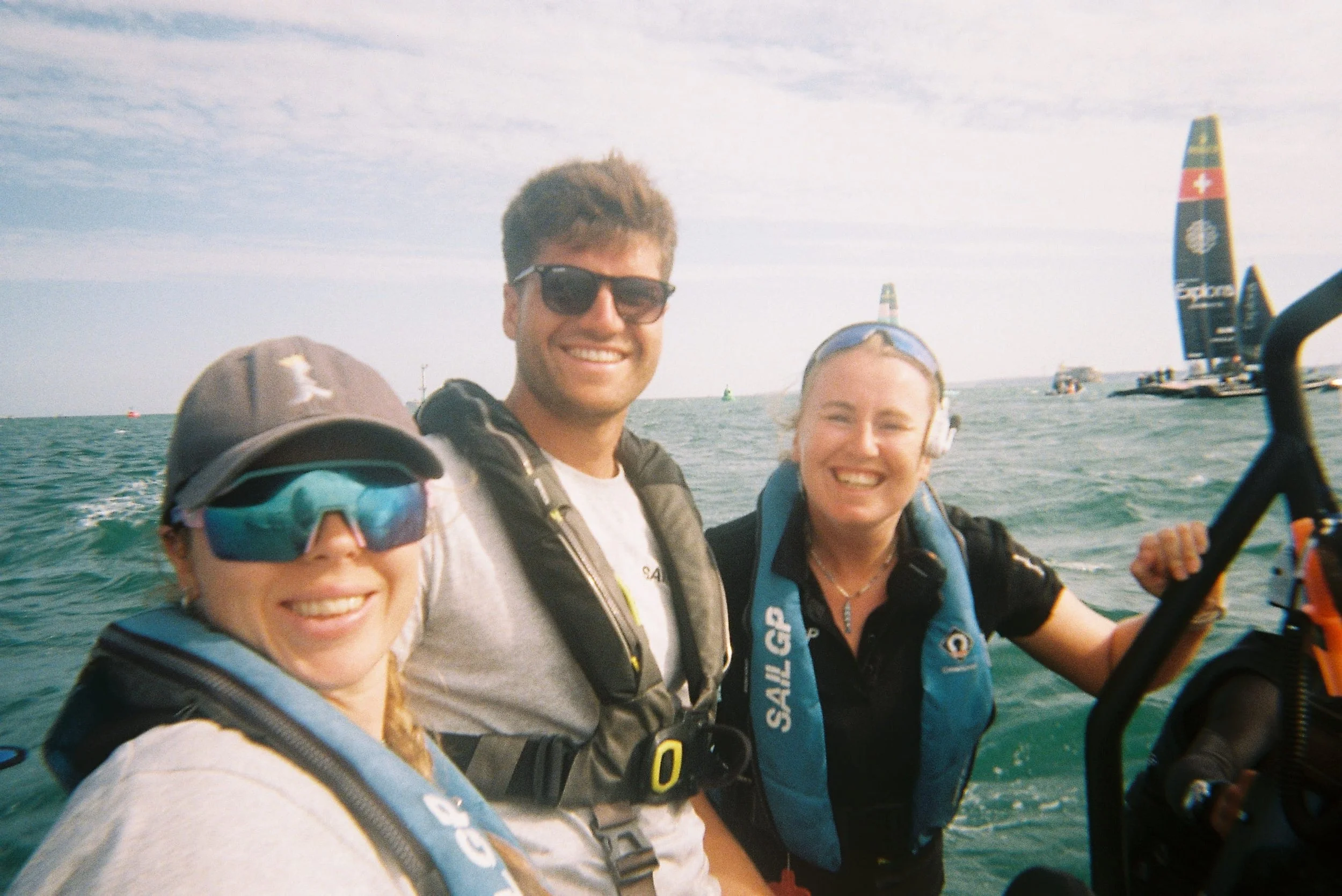
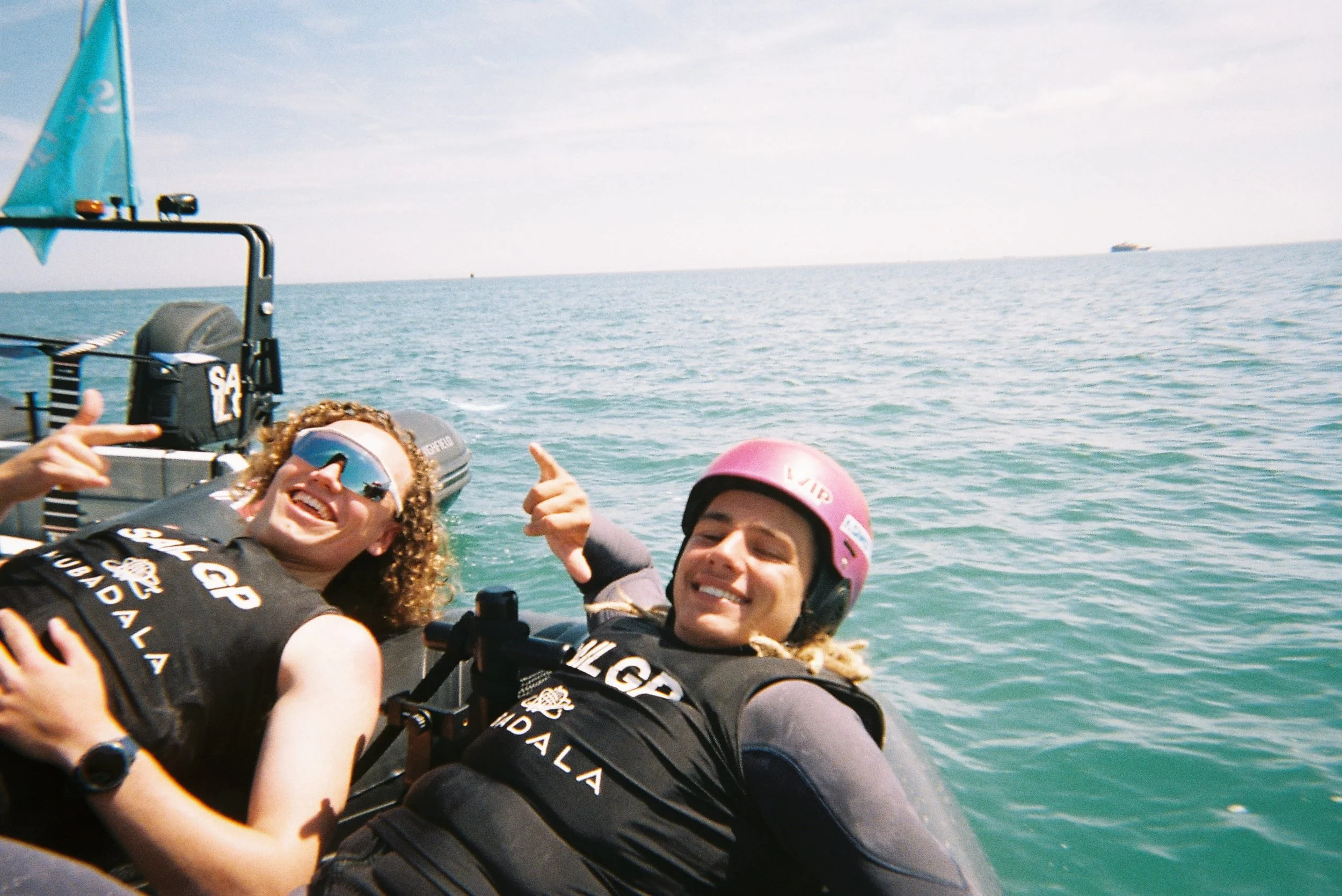
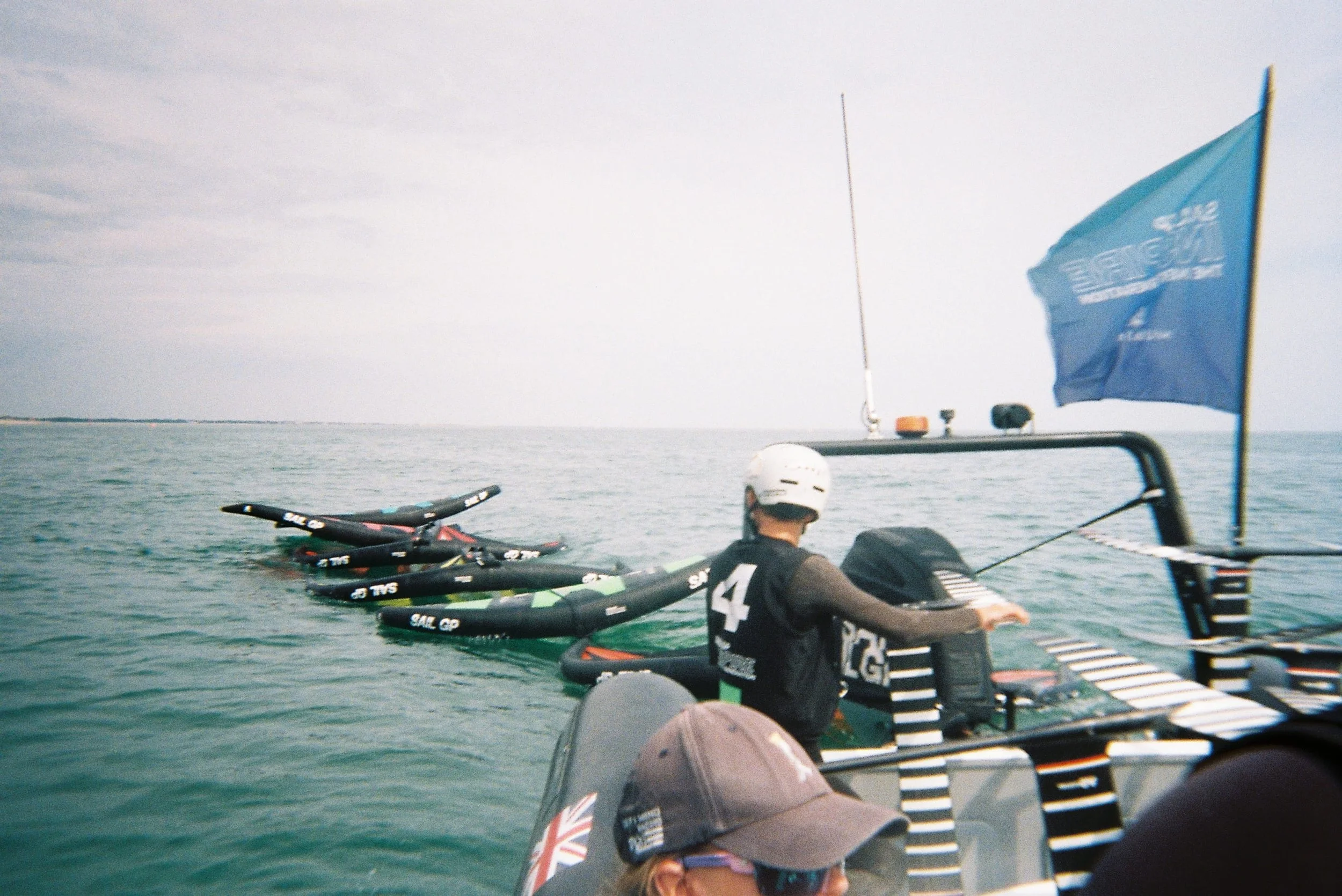
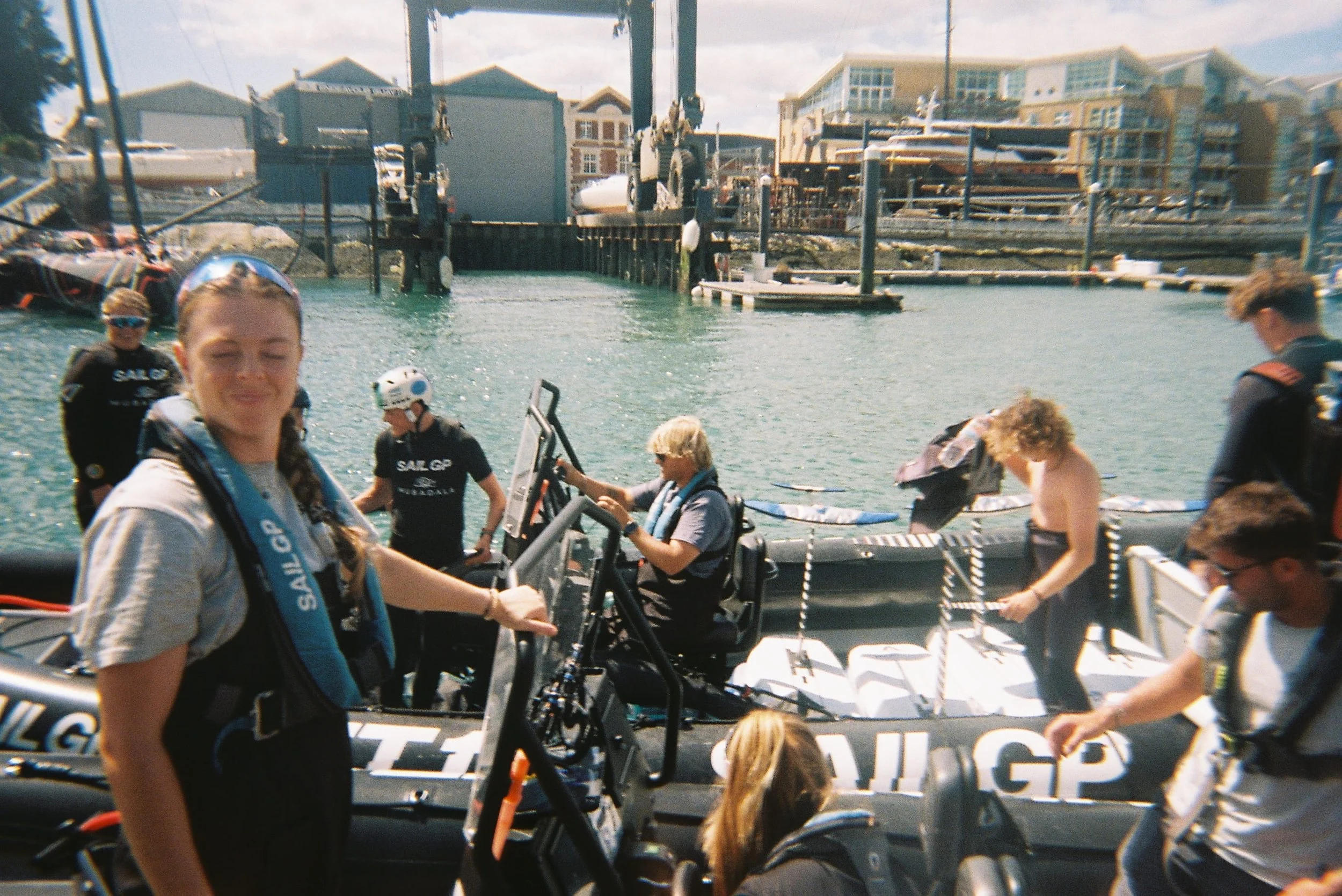
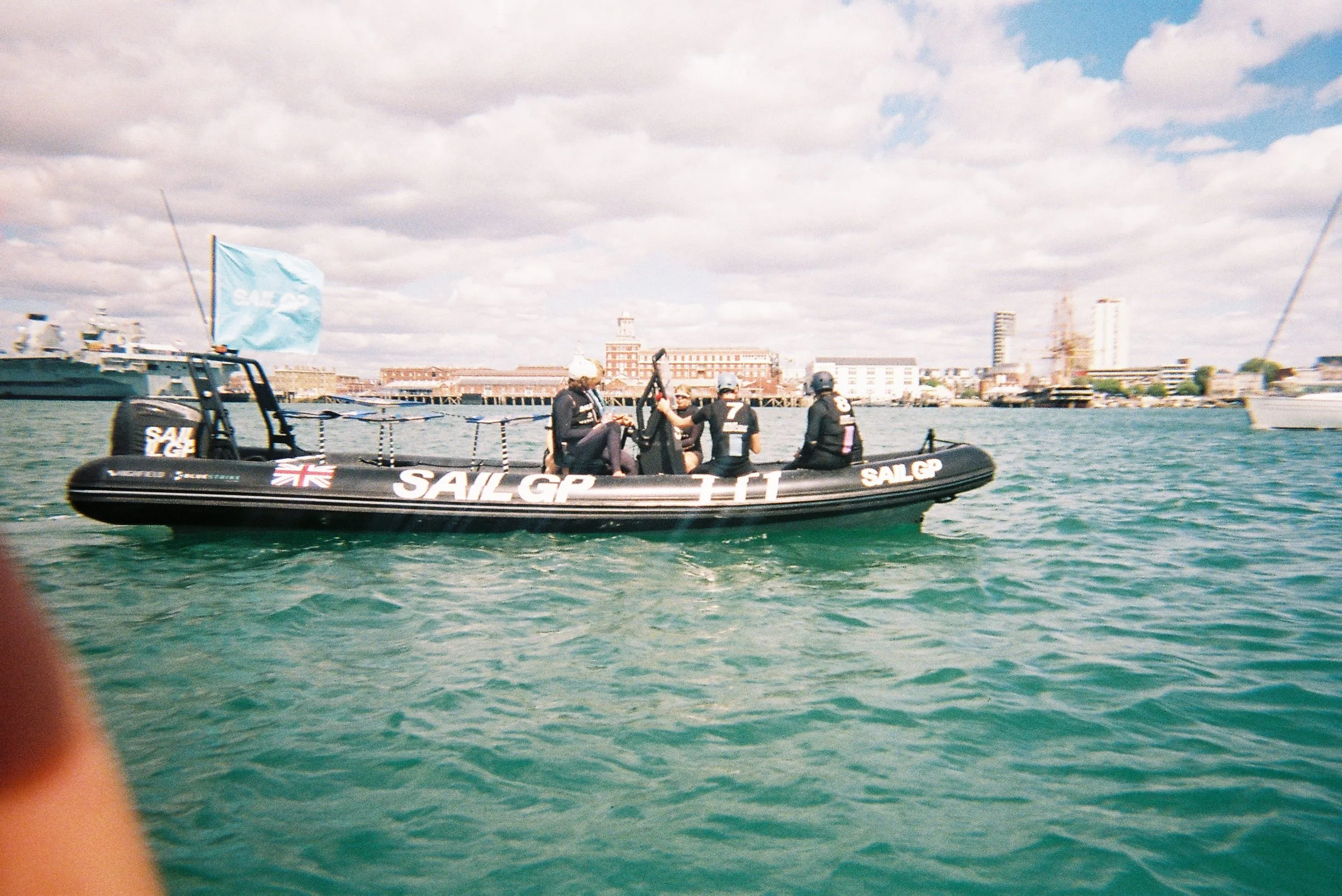
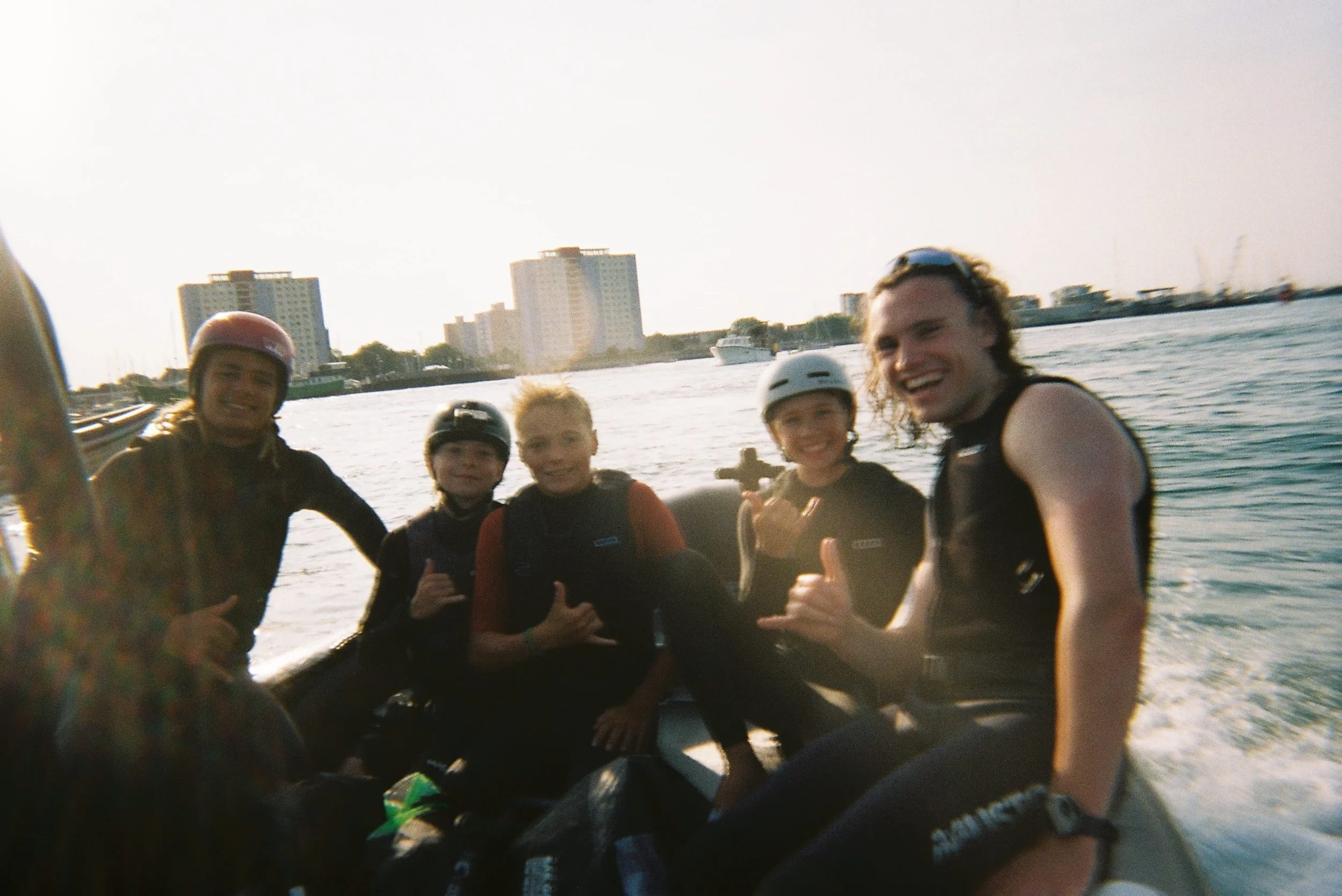
I came through the SailGP Inspire Programme in 2025 and was fortunate enough to be selected to return this year. The Inspire Programme is an incredible experience that gives young athletes behind-the-scenes access to a SailGP event, with the opportunity to get out on the water alongside the F50s and put on a wingfoil showcase in front of the grandstands. It really makes you feel like one of the professional athletes.
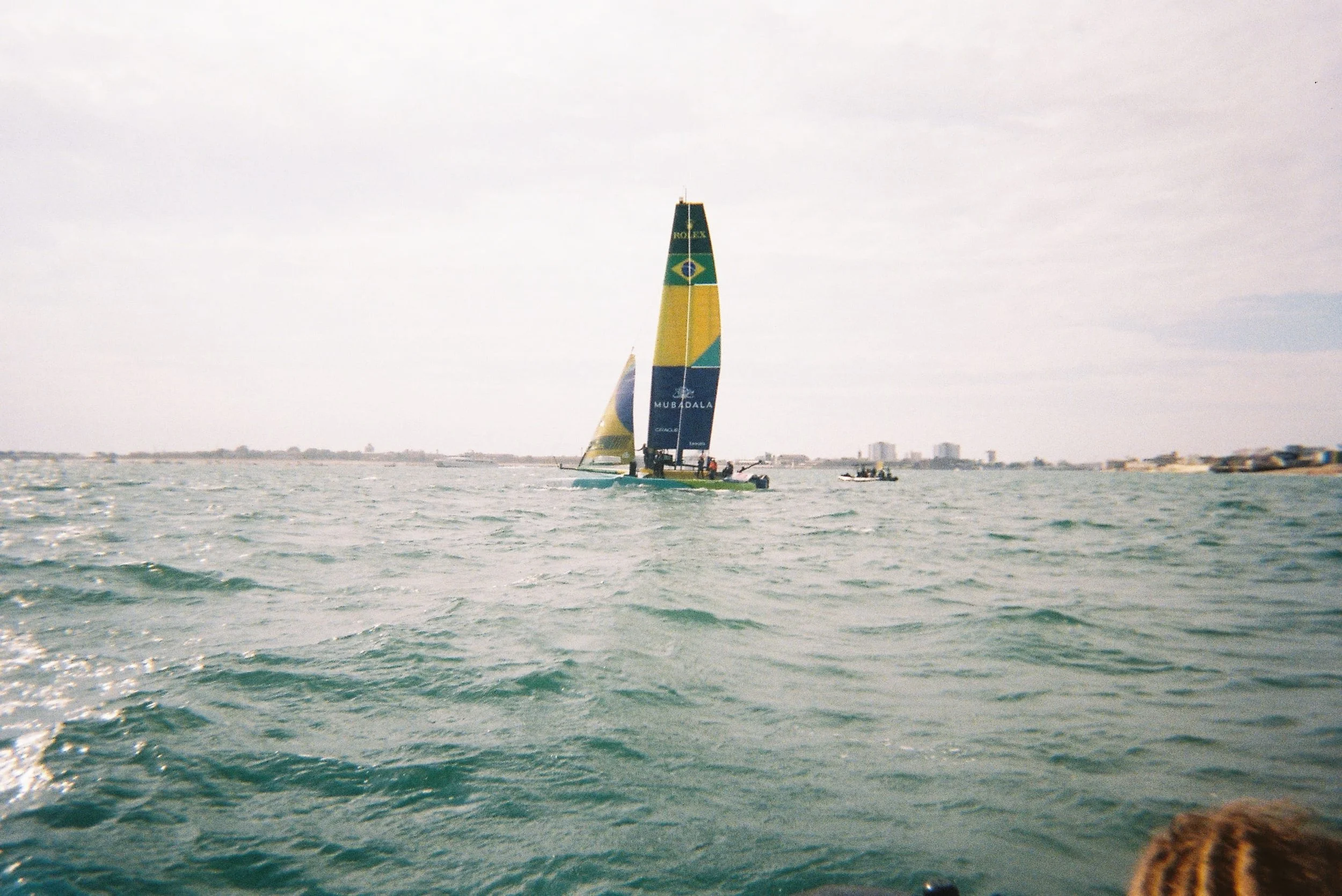
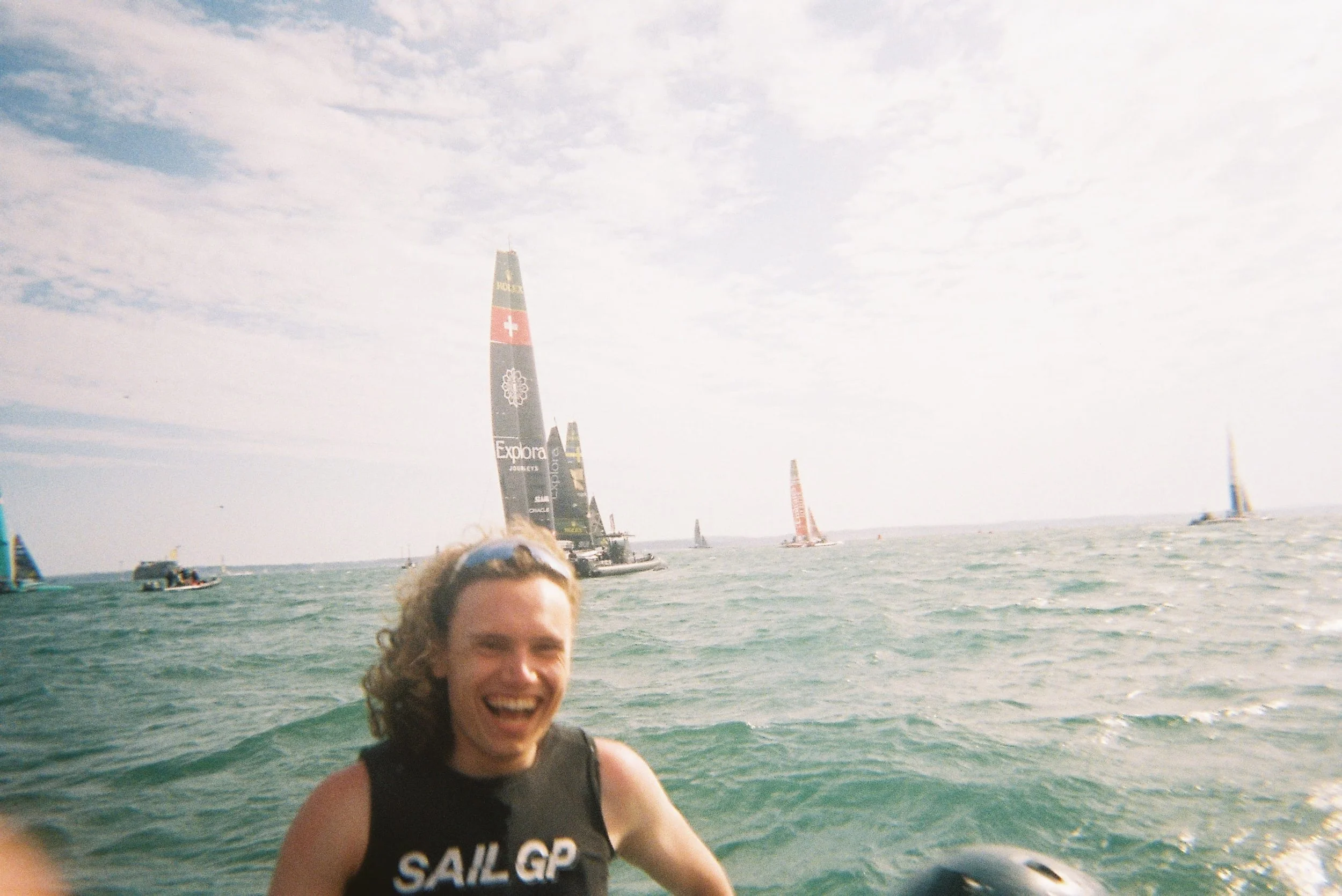
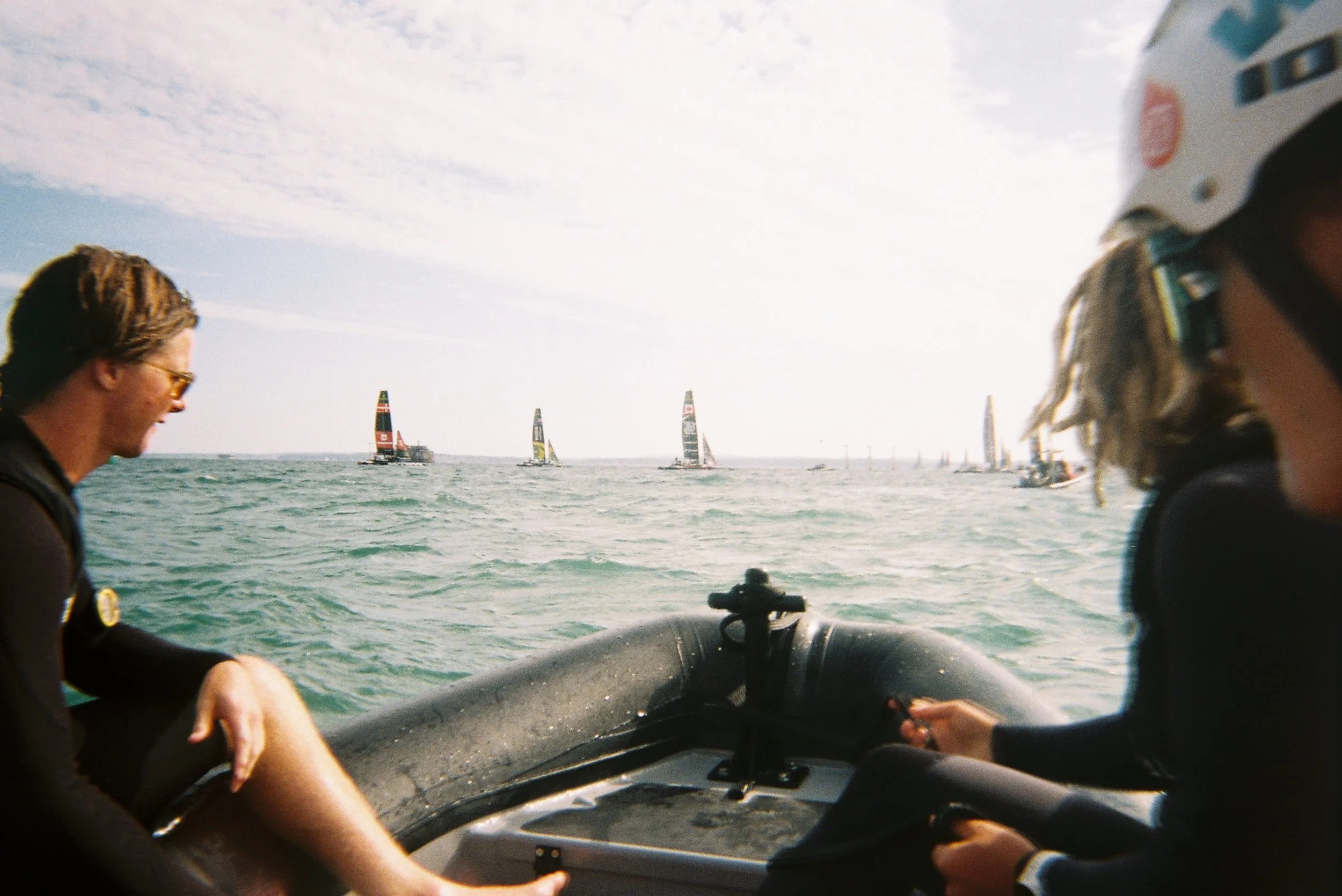
After our performances, we get the best seats in the house, watching the racing from as close as you can get on the water. It is insane to see and gives you a completely new appreciation for just how fast, technical and exciting SailGP is when you experience it live.
A New Puzzle
Wingfoiling gives a feeling like no other. The moment you lift out of the water, everything goes quiet (apart from the gentle whistle of the foil), the resistance disappears and you accelerate effortlessly, flying above the surface.
I first noticed wingfoiling after watching some local riders on the water. At first, it was just a fun side project alongside my ILCA sailing campaign, but everything changed the moment I lifted out of the water for the first time. It only lasted a second or two, but that feeling of flying above the surface was unlike anything I had ever experienced. I was instantly determined to do it again.
With every session, my flights became a little longer as I learned to control the foil. I loved the challenge of starting from scratch again.
The technology fascinated me just as much as the racing. Growing up, foils had always seemed like this futuristic, almost alien piece of engineering that only a handful of elite boats used. Suddenly, I had one beneath my feet. Being able to fly above the water whenever I wanted felt incredible, and it sparked a fascination with the science behind foiling that ultimately influenced what I chose to study at university.
But what really keeps me coming back is that no two sessions or races are ever the same. The conditions are constantly changing, so every time I head out I am solving a new puzzle. I love reading the water, adapting to the environment and my competitors, and applying everything I have learnt to make better decisions. No matter how much experience I gain, there is always something new to learn.
Performing At SailGP
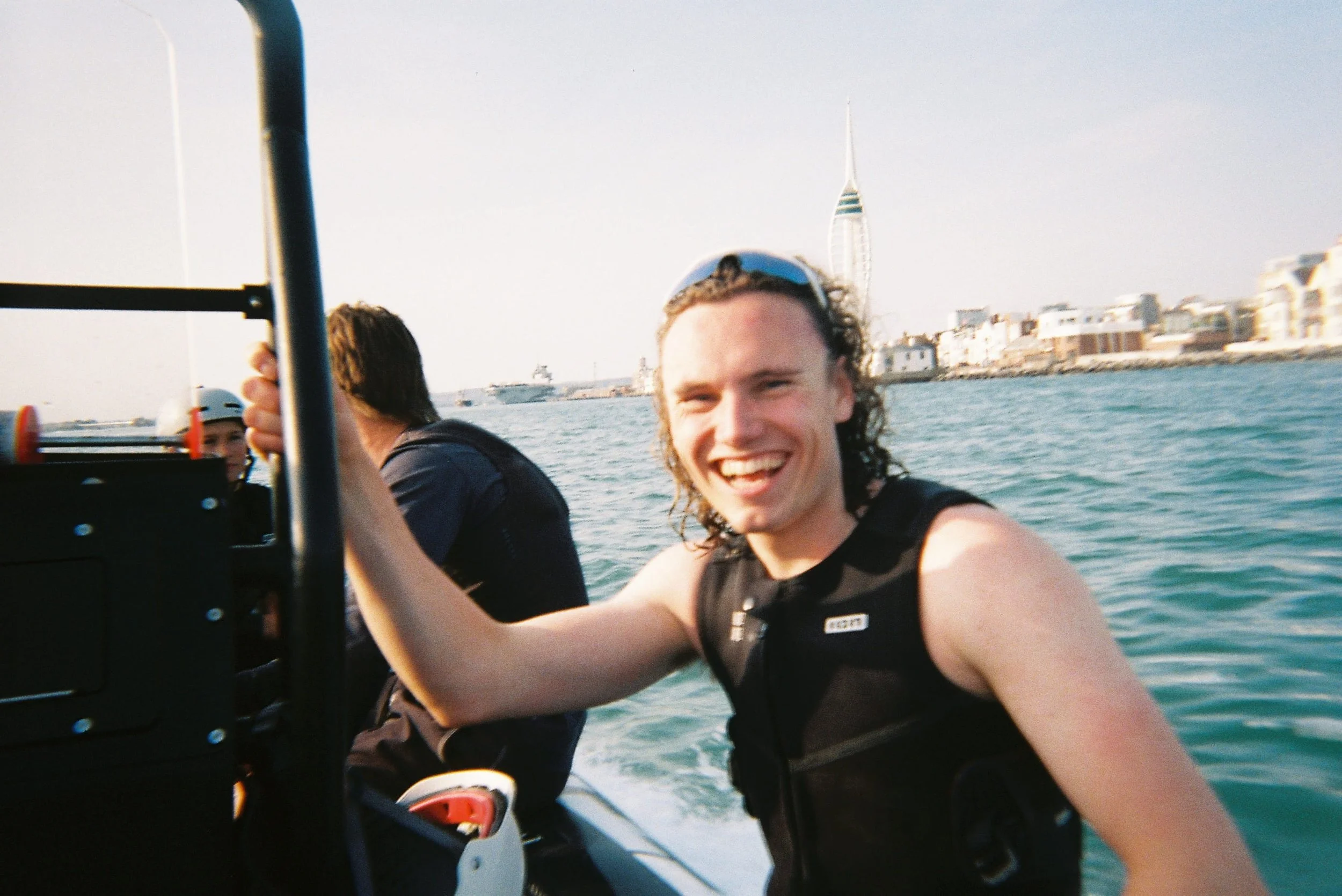
What I enjoy most about SailGP is how fast-paced and intense it is. The racing is unbelievably close and, with every team racing identical one-design boats, success comes down entirely to the athletes and how well they perform together. With such an elite standard across the fleet, the margins are so tight that every manoeuvre, decision and mistake can completely change the outcome of a race, maintaining such a high level of pressure all year round.
Performing at a SailGP event is incredibly special because it feels like I am playing a small part in the future of sailing. Having the chance to showcase the sport I love to people who might never experience it otherwise is an amazing feeling.
I am used to having only my parents watching me from the beach! So having 10,000 people cheering for us, seeing myself on the big screen and hearing my name called out over the commentary is something I never imagined experiencing as a sailor.
The atmosphere is more like a major stadium sport than a traditional sailing regatta, and to be included as a youth athlete was absolutely incredible.
I was speaking to someone at the end of the event who had never watched sailing before. They were so ecstatic and could not stop talking about how genuinely amazed they were that sailing could look like that. Seeing someone completely change their perception of the sport in the space of an afternoon was super cool, and exactly what I hope more people experience.
One of the biggest things SailGP has done is create a platform for sailing where you can follow the rivalries, storylines, and progression of the teams throughout an entire season.
Growing The Sport
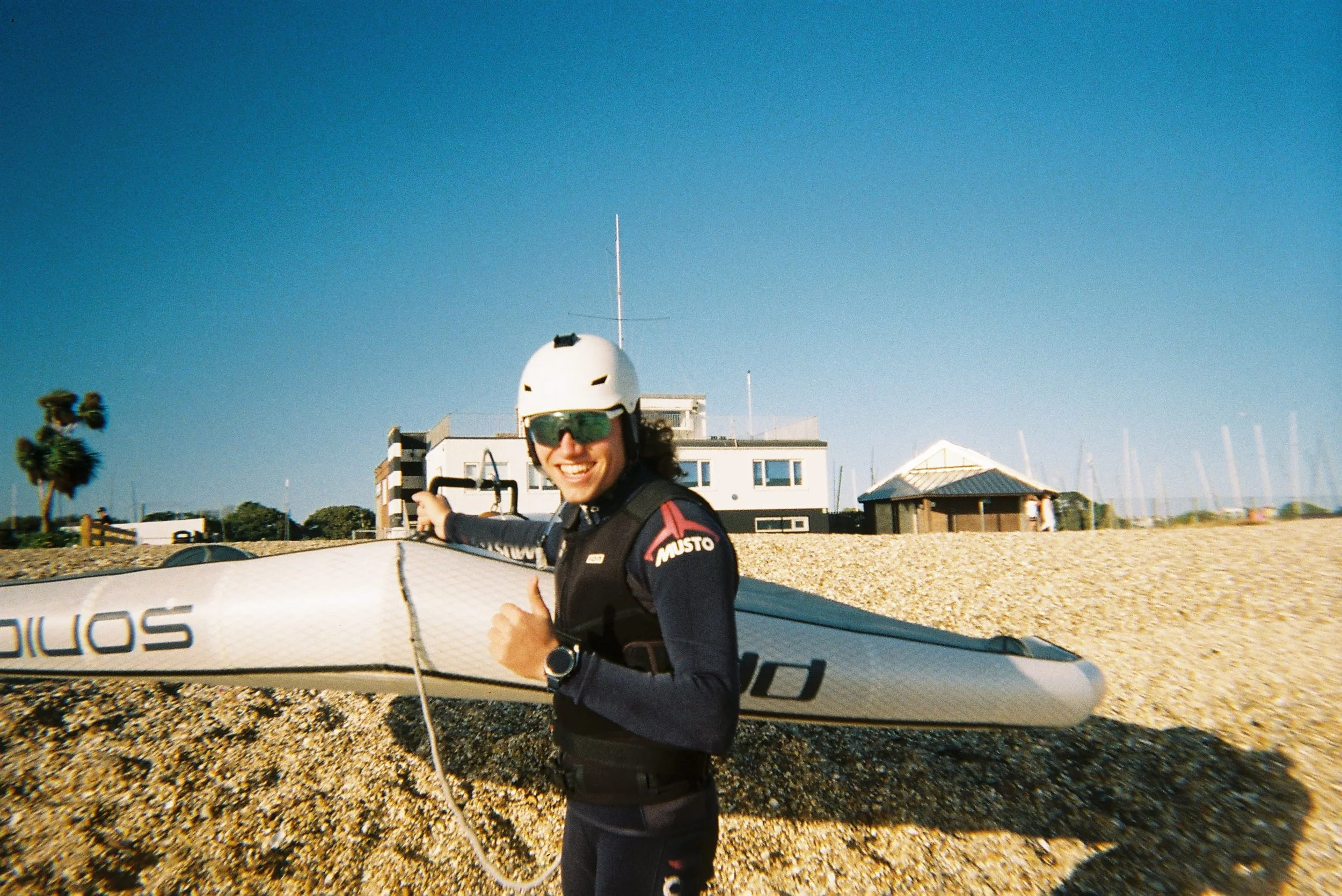
As a wingfoiler, I am fascinated by how the teams approach every aspect of the racing, from managing ride height and sailing on apparent wind to the tactics and strategy they employ. There is so much I can learn from watching them that carries across into my own racing and I enjoy picking apart the races, trying to understand their decisions.
Even more special is stepping behind the curtain of the league and being surrounded by the athletes, teams and sailors I have looked up to throughout my journey. To experience that on my home waters of the Solent makes it even more meaningful.
Hans Henken on the US SailGP team is someone I particularly look up to because he combines two things I am passionate about: elite sailing and the science behind it. The fact that Hans uses his technical knowledge and data analysis to understand the boat, help optimise performance, and squeeze every last bit of speed out of an F50, whilst also competing at the pinnacle of the sport, is something I find really cool.
I also really admire the way Mike Buckley is leading the US team. He has brought a strong entrepreneurial mindset, not only focusing on building the competitive performance of the team on the water, but also on growing the sport, engaging with fans, and creating opportunities for the next generation.
One of the other teams I really admire is the Spanish team, Los Gallos, not only because of their success on the water, but because of their focus on developing the future of foiling. Initiatives like Foiling Base Cádiz show that they are investing in creating pathways for the next generation of athletes and helping grow the sport from the grassroots upwards. As someone who taught myself wingfoiling and is now trying to build a career in foiling, I find that really inspiring.
More broadly, I love the way SailGP teams are all trying to grow the sport in their own ways, not just by winning races - it feels like everyone involved is trying to build something bigger than just a racing series.
Looking Ahead
I have always been curious about how things work, so my passion for the science behind sailing has naturally grown from that. As I have progressed in the sport, I have become fascinated by how equipment, design, and environmental conditions all influence performance on the water. Understanding these relationships has helped me connect the physics I learn with what I experience while sailing. Realising it could also make me a better racer was one of the main reasons I chose to study Physics at the University of Southampton, alongside the bonus of staying close to the sea so I can train between lectures.
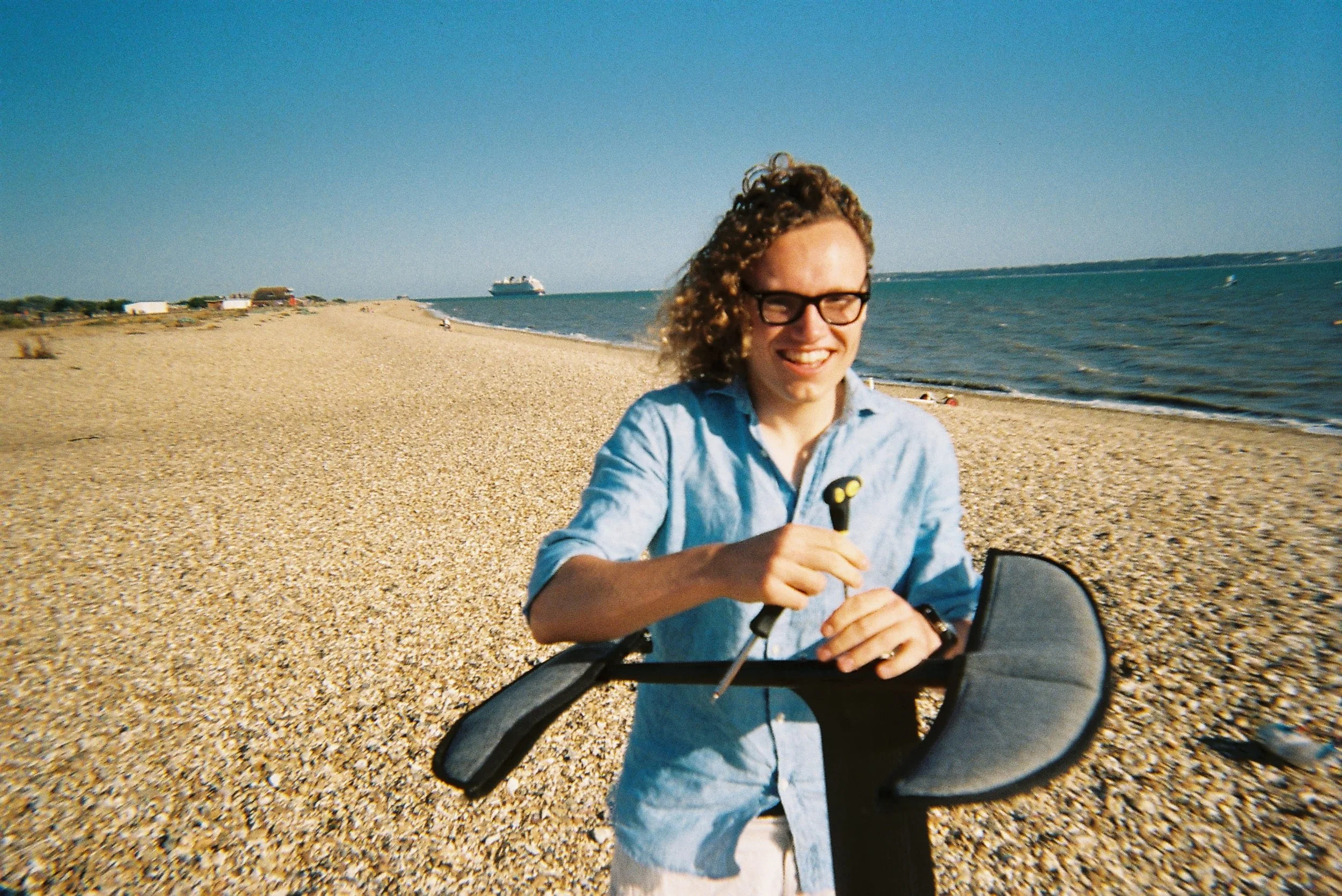
It is incredible how science helps us design technologies that harness the natural environment. I love understanding the "magic" behind the sport, from how a foil lifts a board above the water to how small design changes can transform performance.
Balancing training with university can be challenging, especially around exam periods, but I really enjoy both and find they complement each other. My course covers everything from electromagnetism and quantum mechanics to fluid mechanics, and I especially love studying foils. I remember sitting in a lecture thinking, "Ah, so that's why my foil looks the way it does!"
My goal is to continue improving and become the best athlete I possibly can. In wingfoiling, that means establishing myself on the international racing circuit, competing against some of the best foilers in the world, and continuing to push the limits of what is possible on a foil. Ultimately though, my dream is to reach the pinnacle of the sport by joining, and one day racing in, SailGP. Being part of the environment and culture that has inspired me so much would be an incredible privilege, and having the opportunity to learn from the very best athletes, engineers, and innovators in the sport would be a dream come true.
However, I do not just want to focus on my own performance. One of the things that excites me most about the future of foiling is the opportunity to help grow the sport, inspire the next generation of athletes and continue building the global recognition of sailing. I want people to see that sailing and foiling can be exciting, accessible, and a genuine pathway into professional sport.
More than anything, I want to keep learning. Whether that is becoming a better athlete, understanding more about the technology behind the equipment, or learning from the people around me, I am so excited by the challenge.