Representing Tonga
Leila Hausia-Haugen, Tonga
Leila Hausia-Haugen is a footballer who plays for the Tonga Women’s National Team. Born and raised in the United States, she plays collegiate soccer at the University of Puget Sound in Tacoma, Washington.
My name is Leila Hausia-Haugen. I currently play collegiate soccer at the University of Puget Sound in Tacoma, Washington.
I started playing soccer when I was 5 years old with my mom as my coach. I joined my first club when I was around 9 years old. I then moved from Minnesota to Oregon and joined a new club team. The club level, coaches and overall skill was much higher than my previous club. It was quite the change for me and it really forced me to quickly learn soccer IQ that I did not really develop before.
I always had a natural gift with soccer which I believe allowed me to be able to be thrown into such a sudden advanced soccer environment. But it was really hard for me mentally. The combination of being the new kid and having to work hard at a sport that I previously was just playing for fun. It definitely took me a year but I found a community with my team and a love for grinding at getting better at my sport. The next years of club soccer included a lot of different coaches (amazing, bad and really bad), new clubs, old and new teammates, private coaching, and many many tournaments.
I found the coaches that I worked with in private sessions made me realize how much I loved the ability to really improve my skills. I enjoyed the ability to get really specific and intentional with what I was focusing on and improve. It definitely helped build my inner drive to want to be the best athlete I could be. I also got to experience some really great coaches (Rachel Rapinoe and Shannon Box) that I am still in contact with today and helped me keep the love for the game. In my experience I found this could so easily be jeopardised with bad coaches or negative environments.
During High School I really struggled with this, and there was a while where I did not love soccer the same way I used to. I had anxiety about every game and practice. I was not confident and I was terrified to be on the field and make my confidence worse.
When I was a sophomore in High School COVID shut down everything. I would be lying if I said I did not feel an enormous relief when all High School sports were postponed for a year. This time definitely allowed me to find the love and confidence I needed. So by the time High School sports reopened (spring of my junior year) I was mentally ready to kick ass. My junior and senior years ended up being some of the best years of soccer I have experienced. In both club and High School we won multiple tournaments and I accomplished many of my personal statistical goals.
I signed to play at the University of Puget Sound in the fall of my senior year. The recruiting process is a story in itself due to COVID and personal struggles, but I am very lucky and happy with my choice to play there. Going from club and High School soccer to collegiate soccer, no matter the level, is an insane transition. And ultimately I can say I am grateful I went through the mental struggles in High School with confidence and love for the game, because I was really able to use that experience and tap into my reaffirmed love and passion for the game.
What did you try to show with the photos? Was there any wider meaning with the photos?
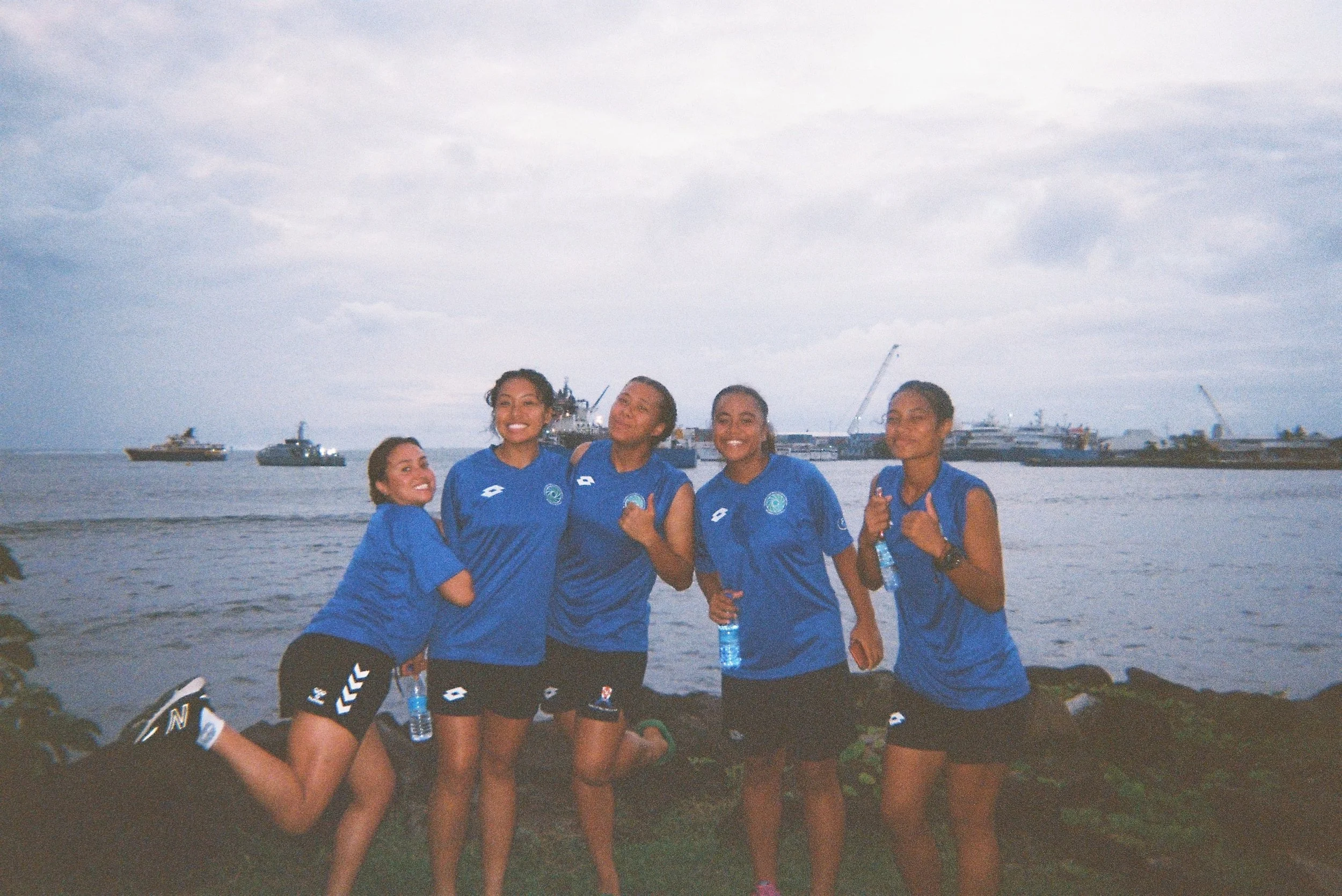
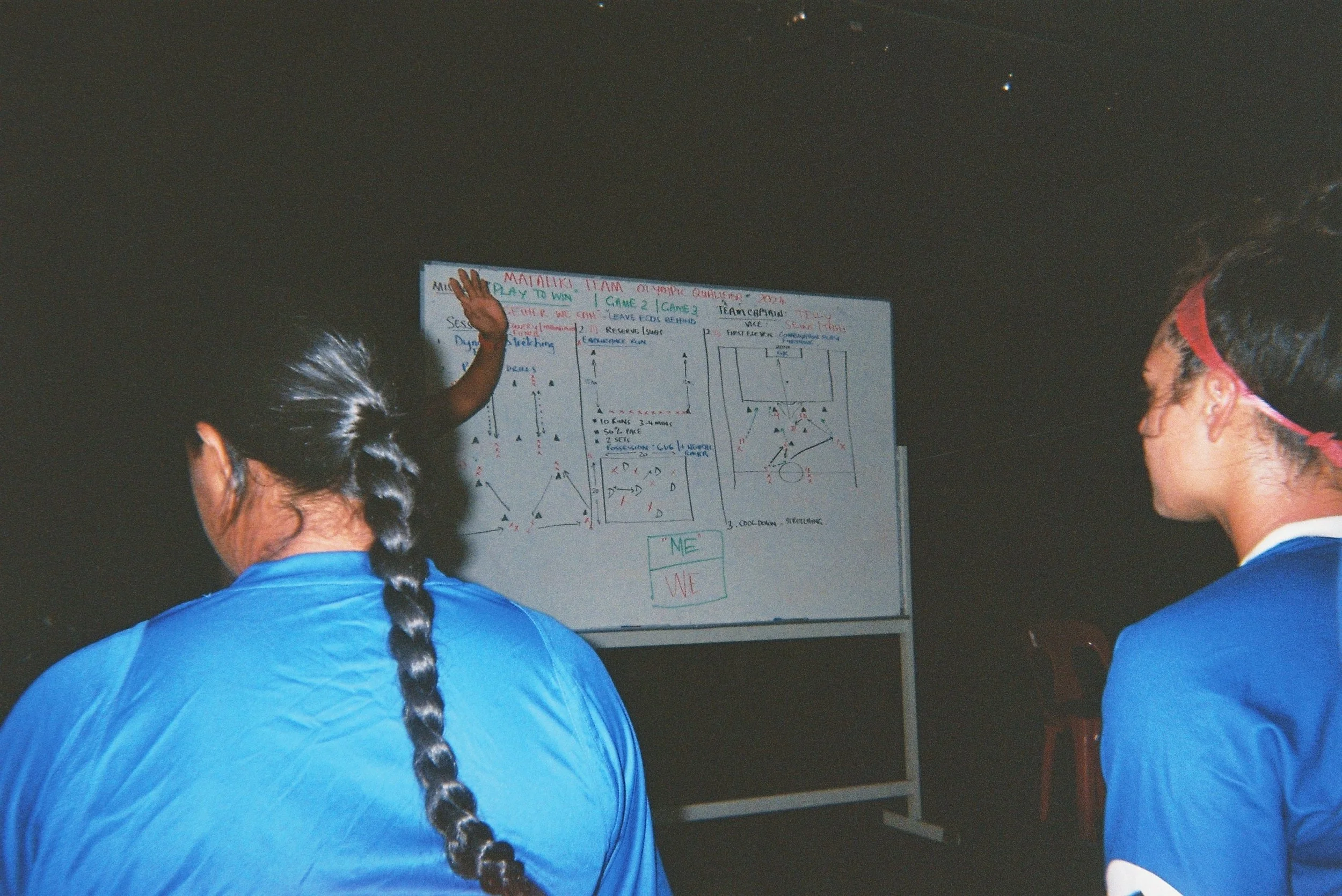
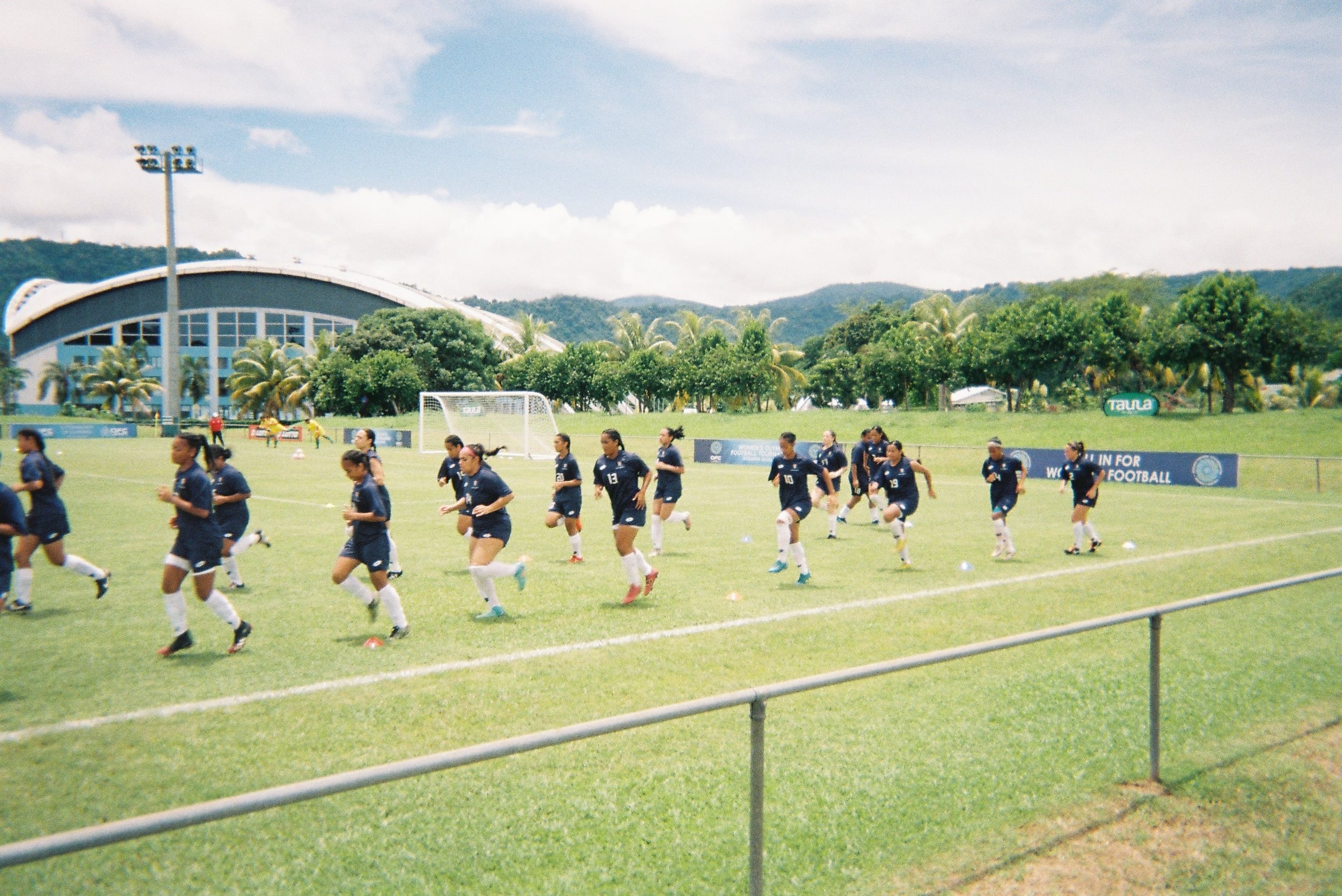
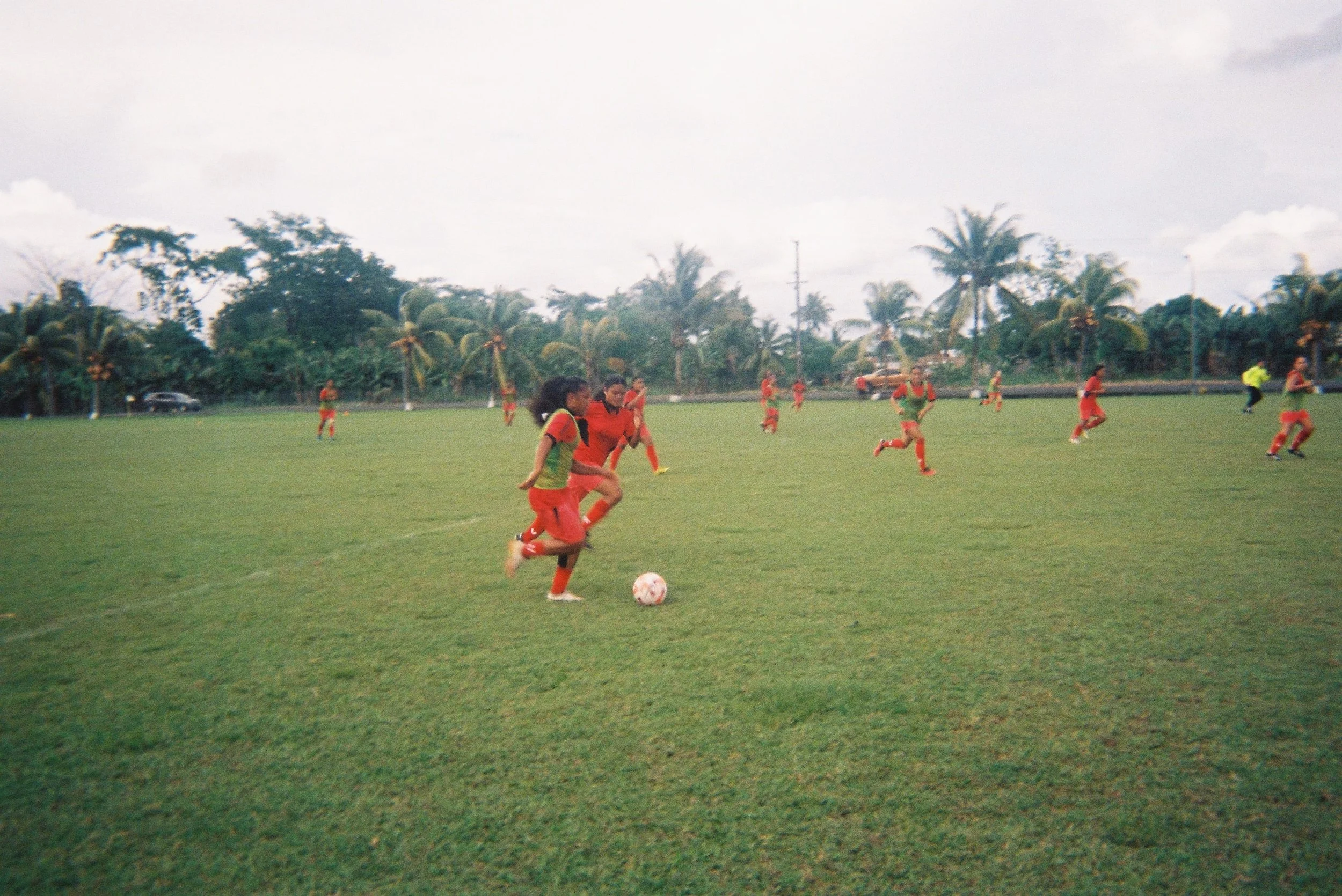
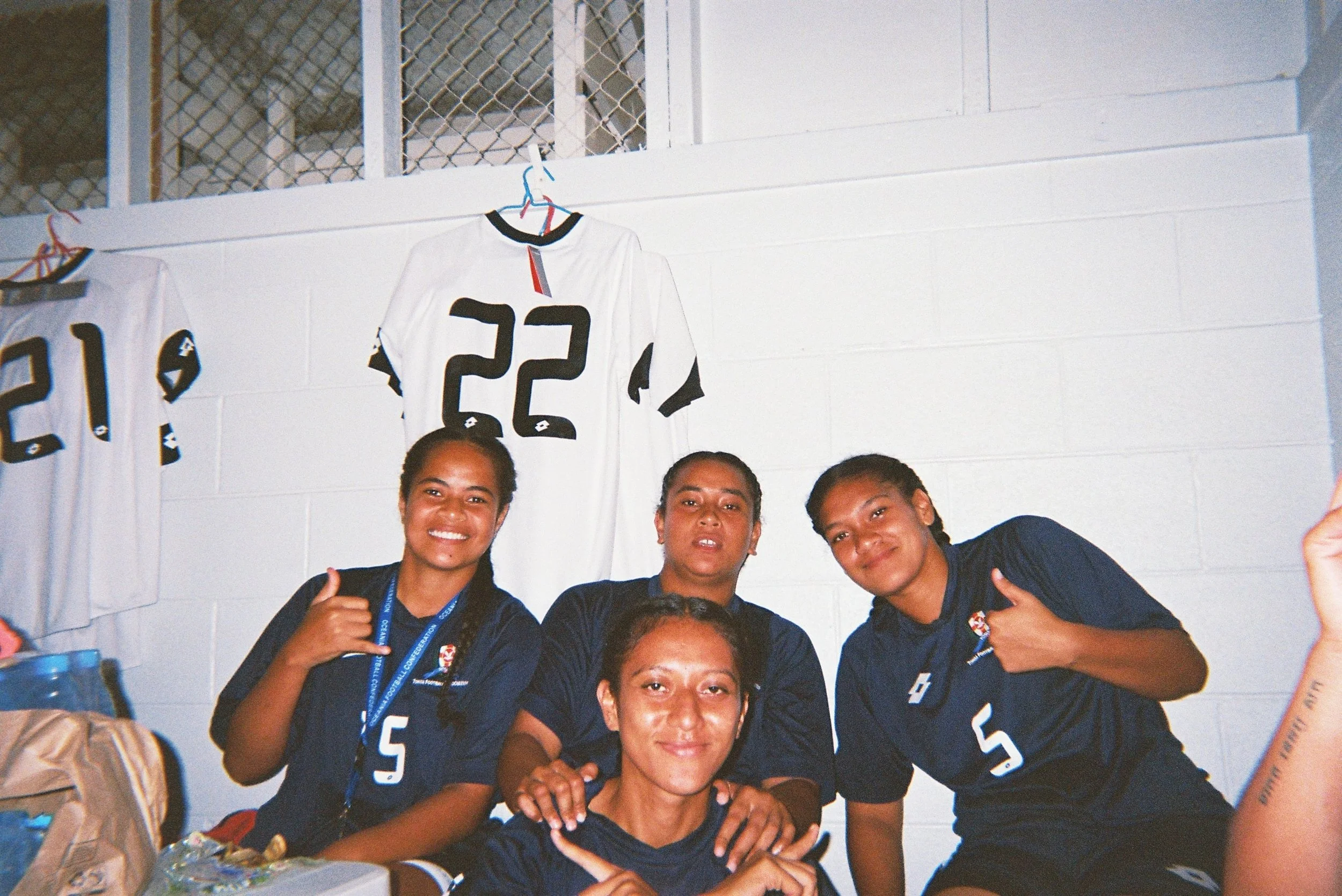
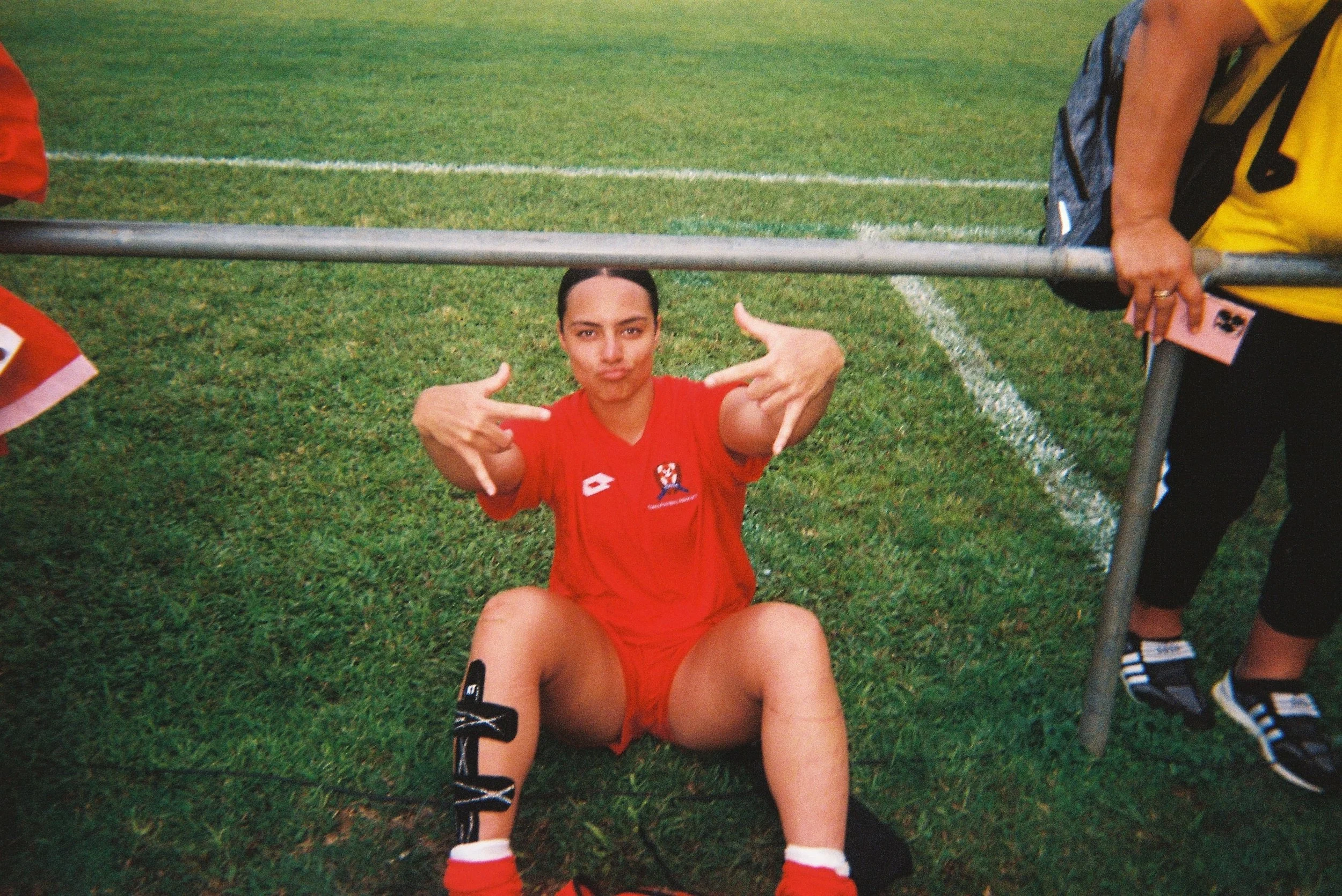
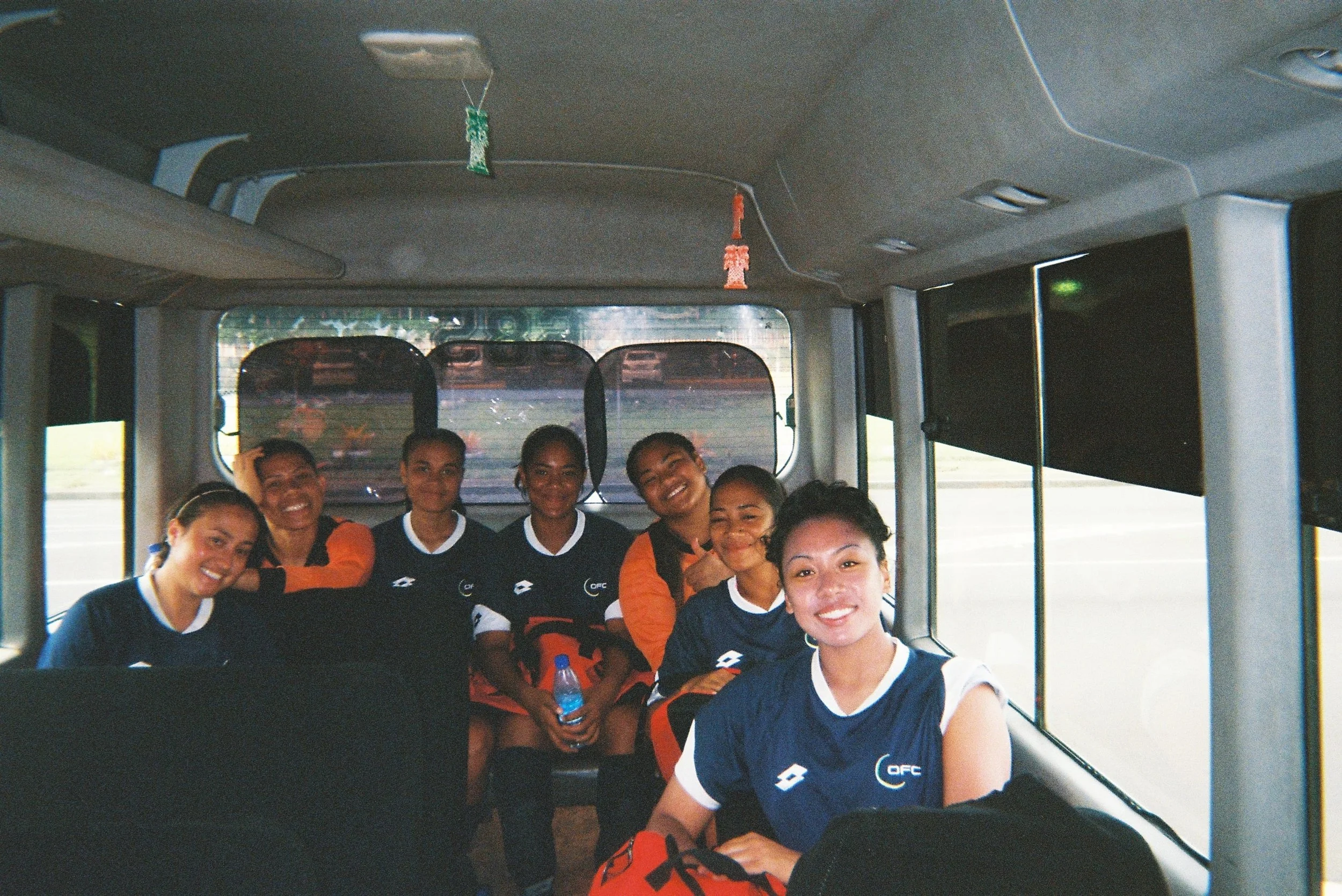
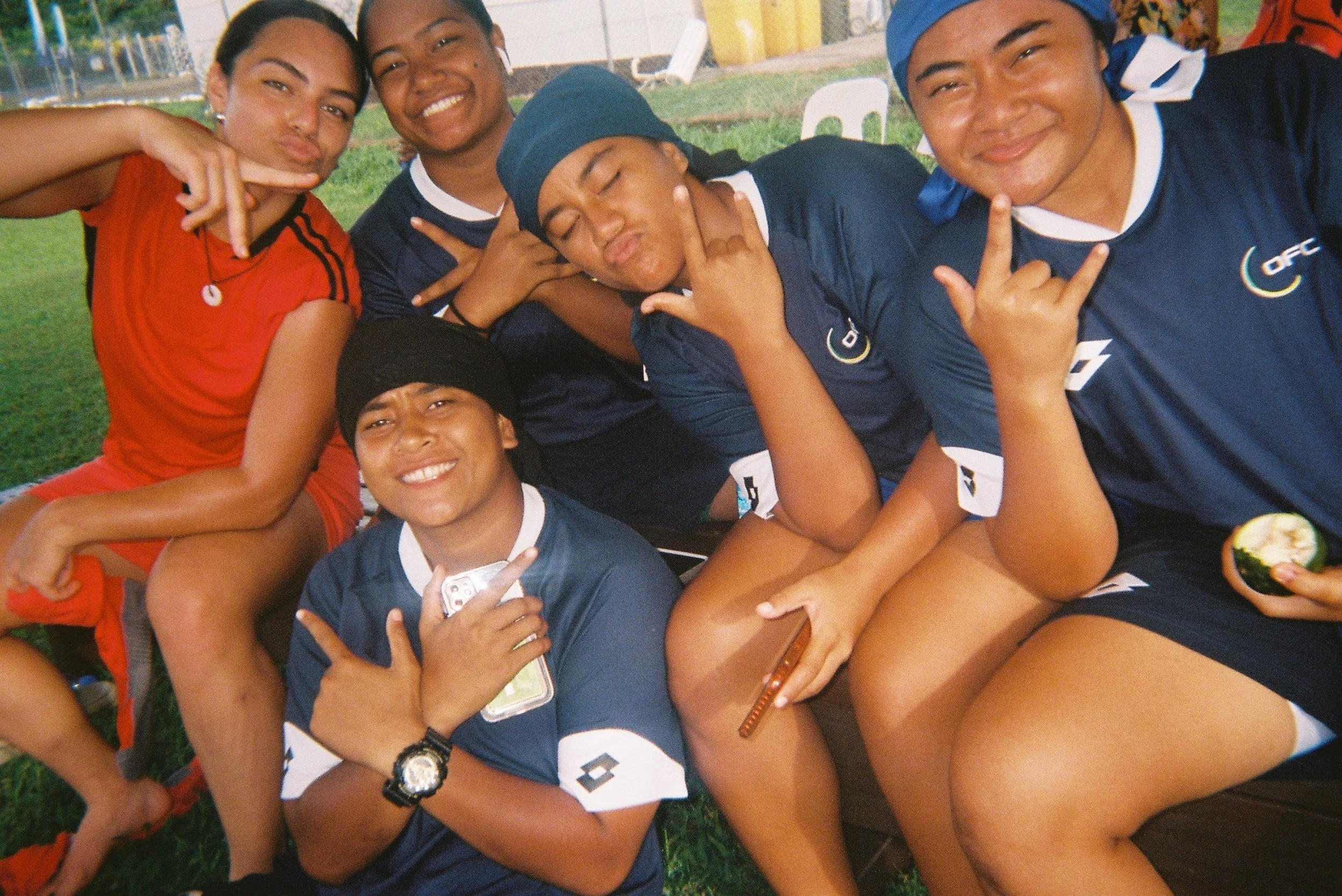
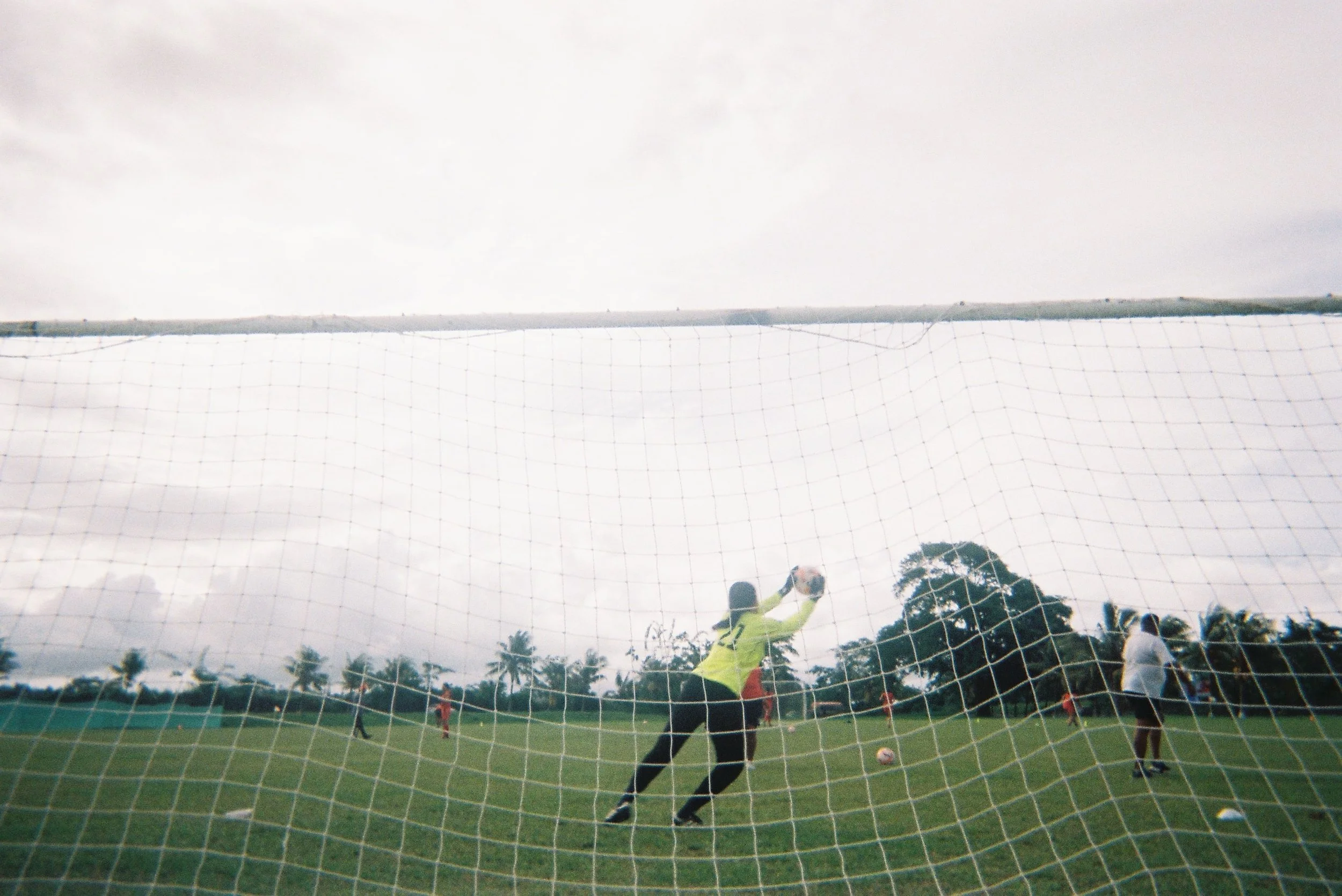
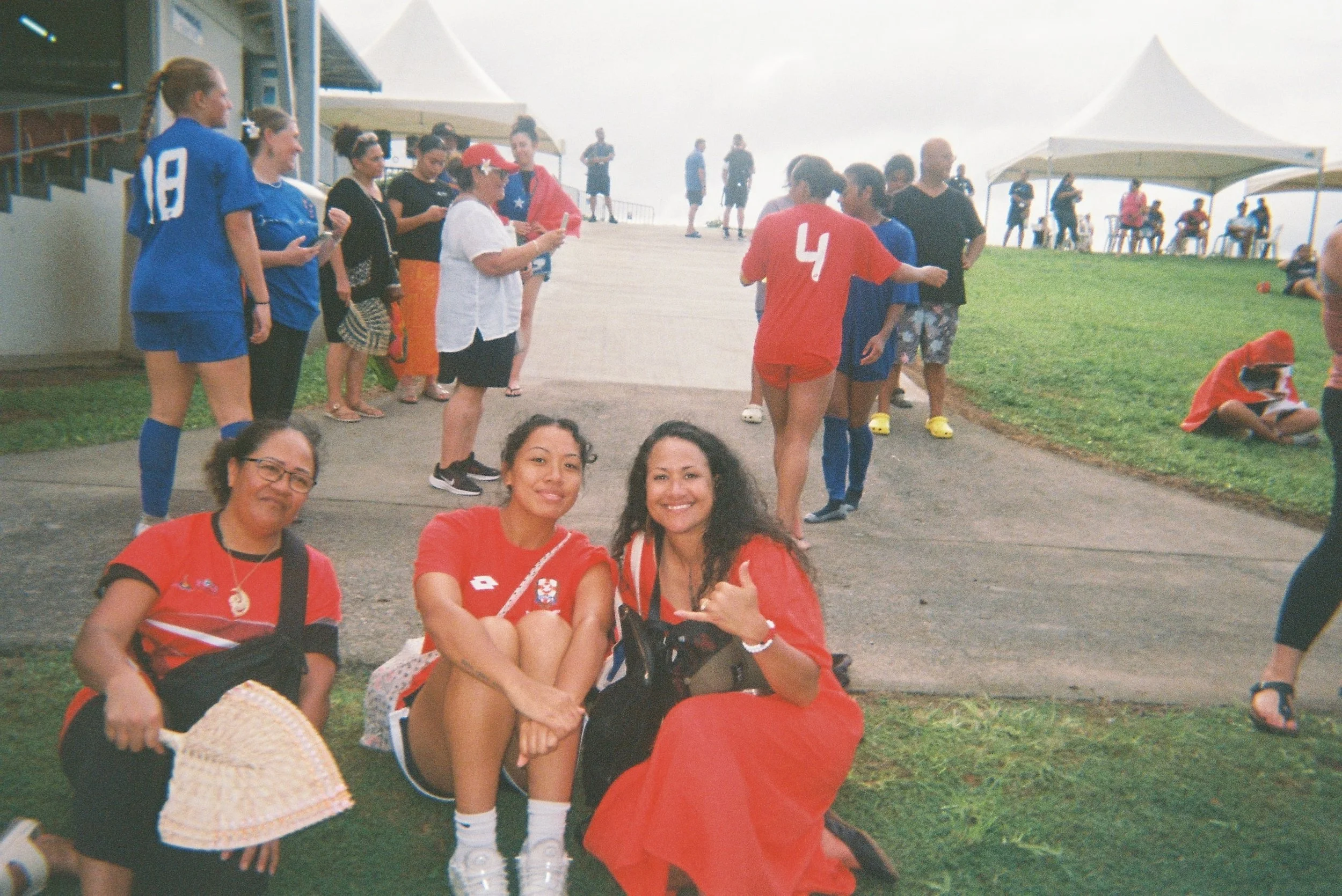
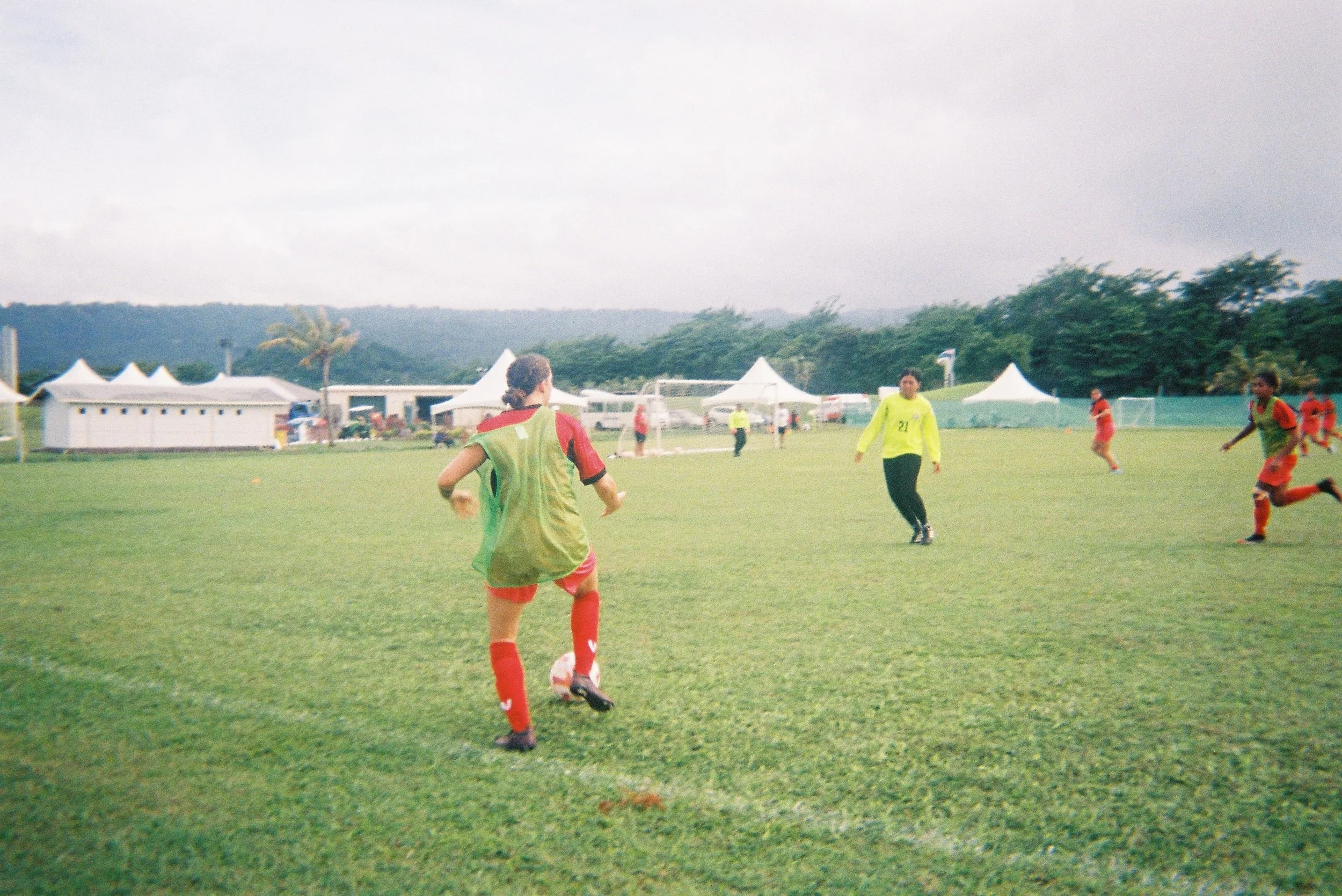
I showed the young girls and women of Tonga who are a part of the Mataliki women’s soccer team. They were taken in Apia, Samoa at the Oceanic (OFC) Olympic Qualifiers.
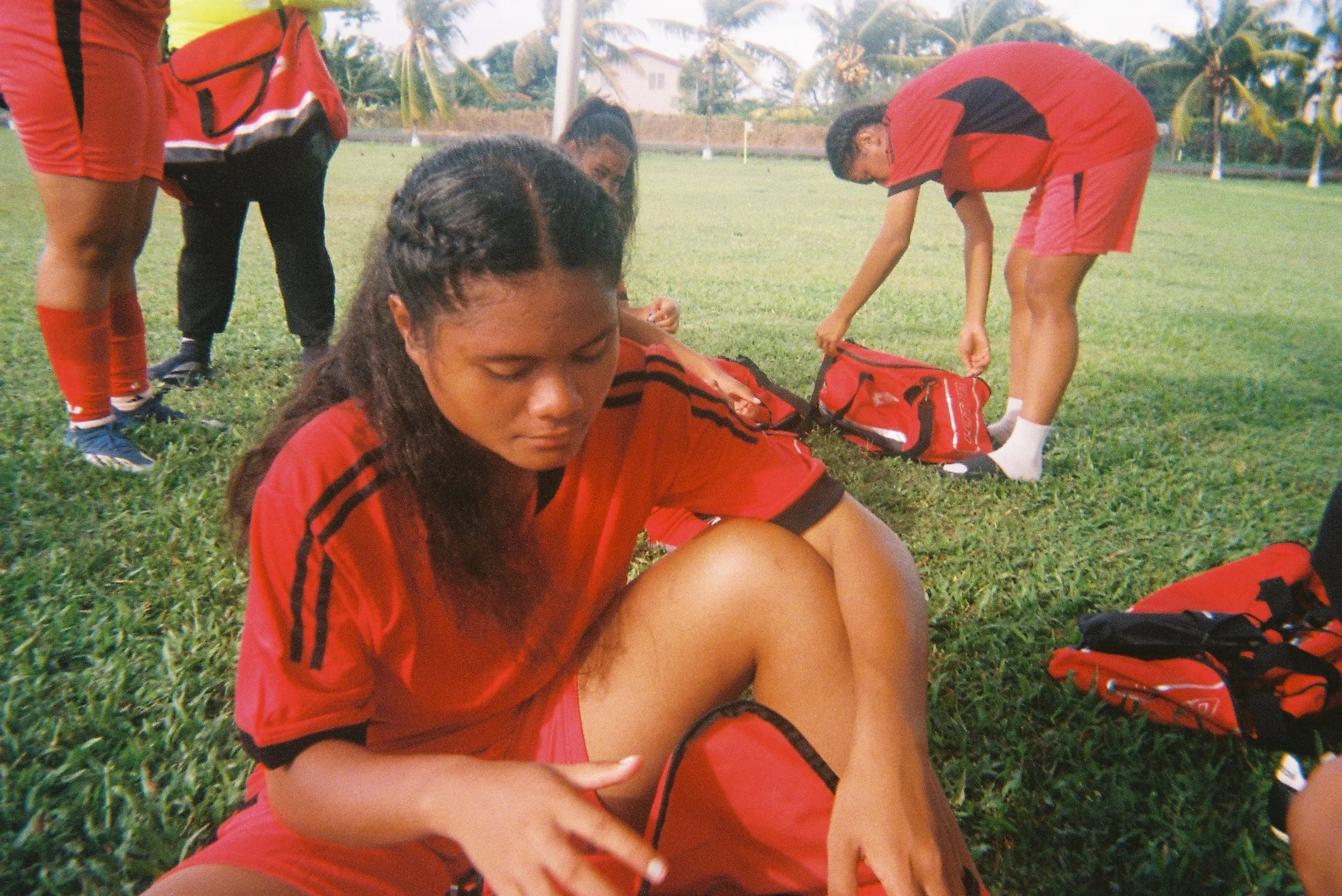
I wanted to take photos of what our day-to-day life looked like during the Qualifiers. This included us at the fields for games and practices, in our locker rooms and on the bus. But it also included time at the beach, walking in town, relaxing in the team hotel, and even doing homework for school.
I wanted to make sure to capture the realness of what I experienced. The tournament was not like any tournament I had been a part of before in the US. It was deeply tied to the cultural location and people of Polynesia.
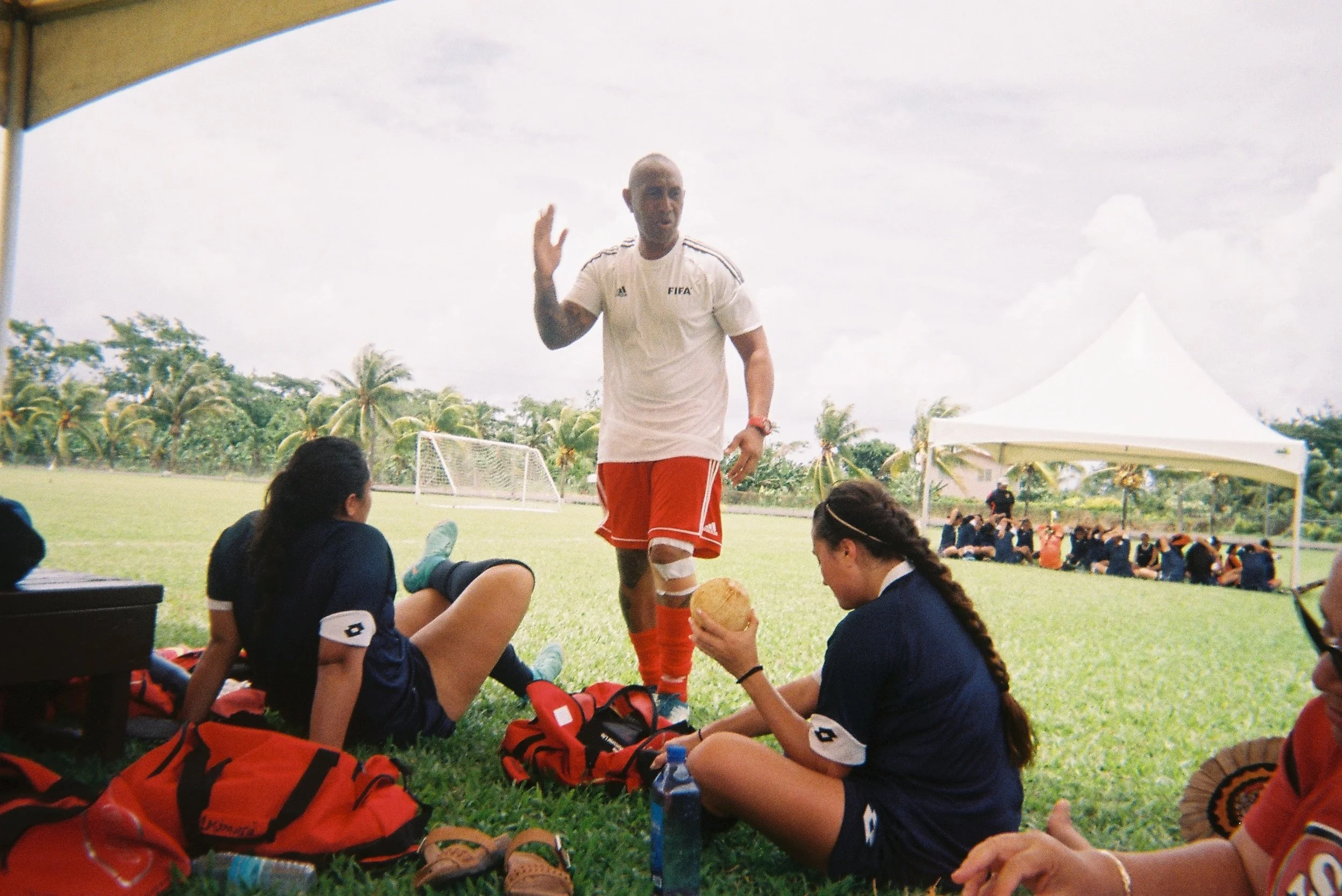
One photo features our team and another in the background sitting under these little canopies, taking a break in the shade after a practice in 90+ degrees and 90% humidity. It features our coach Kalifi talking to us as well. I love that I can hear his voice and how this photo sounds. The palm trees in the background just emphasize the location of Samoa and the overall feeling of playing for Tonga. But lastly I love that the player in the middle is holding a coconut. It is just such raw Polynesian culture - being handed a coconut to rehydrate after a practice. Especially one that was picked fresh that day and husked and opened with a machete right in front of you. Nowhere else that I have played soccer would that be normal.
Are there any good stories connected with someone you photographed?
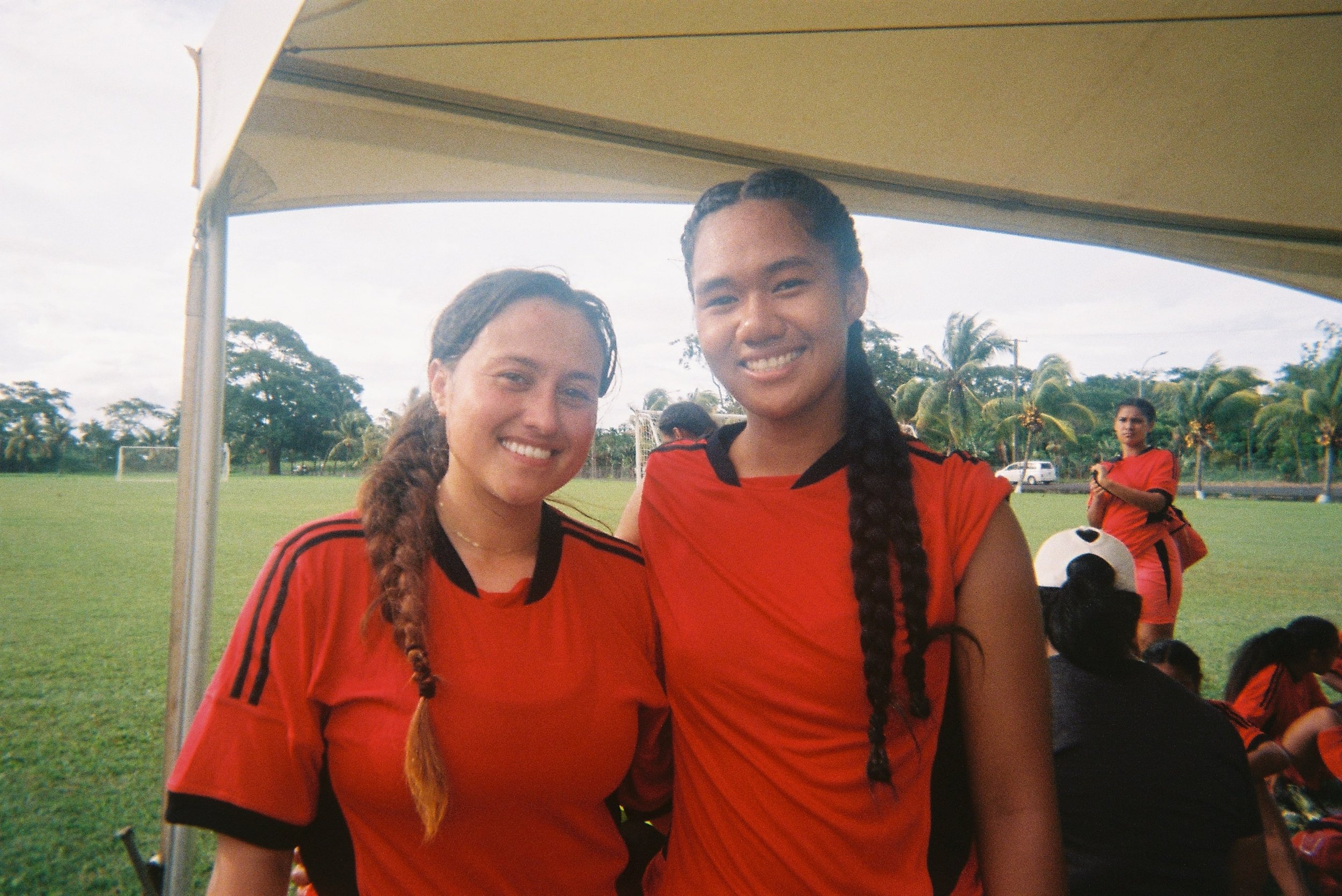
Like me, this was her first time for Telly playing with the team. She currently plays professionally in Iceland, which is so cool to see someone who is Tongan be represented at such a high level and in Iceland of all places. Because of this, she sacrificed time with her club team to play for Tonga. This was a big sacrifice but says a lot about how special and such an honor it is to play for your national team. Telly is such a huge inspiration as a person, I respect so much and I think she represents Tonga extremely well in her leadership and dedication. I credit her leadership for our win against Vanuatu and the fact we were able to hold New Zealand to only 3 goals.
What are the opportunities and challenges for women’s footballers in Tonga and the USA?
In Tonga, football is just getting started and beginning to fully develop. I can tell how excited and driven to learn all the Tongan footballers are. Though there is a HUGE disparity compared to the US in all aspects of the game (equipment, training, levels, soccer IQ and technique, resources, facilities, competition). I believe some of their biggest challenges are the fact the sport is just now catching up to the rest of the world.
In the US soccer has been an established sport for a long time and so you are able to receive the highest form of opportunity right away. I think it would be privileged to say there are many real challenges in the US, just for the reason that everything is to a sense available to anyone. Perhaps how expensive or political clubs, training and programs can be in the US, but overall I have not experienced any true challenges in the US.
What does football and representing your country mean to you?
Football is a way for me and other women like me to come together, to be competitive, support one another and build each other up, build leadership roles, and enjoy the love for the game.
Representing my country means absolutely everything. To be able to wear your country's flag and represent them on such a huge stage is a dream. Especially to play for Tonga, because it is something I have been separated from by growing up in the US and so I never thought I would get the opportunity. It is so powerful to show my love and pride for being Tongan by playing the sport I love.
What are your personal ambitions for the future?
I would love to continue to play soccer past university, and get more opportunities internationally. I have found a strong love and appreciation for playing internationally. Firstly, I get to travel and spend time around new cultures. Secondly, I get to meet so many new people. And thirdly, my passion for soccer has no boundaries. Other than soccer I plan on becoming a nurse, working and traveling as much as possible in that profession.
What does the future look like for women's football?
Bright. Baller. It is so inspiring to see how much women’s football has advanced and evolved as I have grown up. Women's football has always been so dominant and special to watch, so it is amazing that the game is the recognition it deserves. Women's football deserves to be invested in. So as long as the rest of the world keeps up, I am so excited to see where else it goes.